
Climate
Nature & Climate
The natural environment has always been central to life on Malcolm Island. Long before the arrival of Finnish settlers, Indigenous peoples relied on the surrounding waters and forests for food, travel, and trade. Today, the island’s landscapes continue to shape everyday life, supporting local wildlife, recreation, and the industries that have sustained the community for generations.
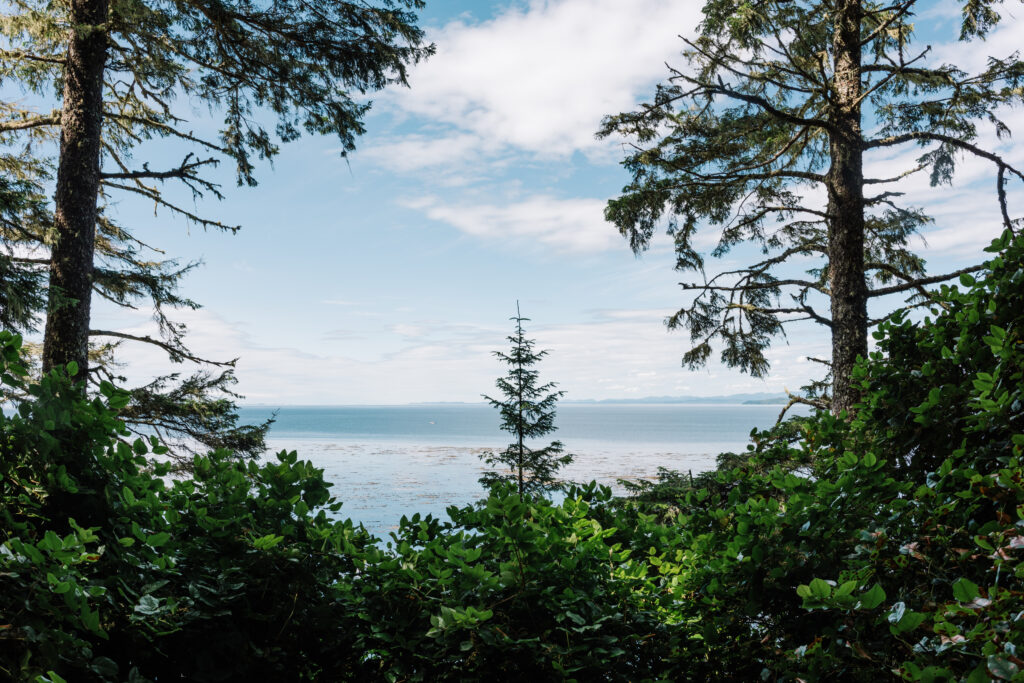
Located off the northeastern coast of Vancouver Island, Malcolm Island experiences a temperate oceanic climate. The surrounding Pacific Ocean keeps temperatures relatively moderate throughout the year, with cool summers and mild, wet winters. Rainfall is highest from autumn through spring, while summer is generally the driest season. Although snow occasionally falls during winter, it usually does not remain on the ground for long.
The weather can change quickly, particularly outside the summer months. Rain is common from autumn through spring, and coastal fog is not unusual. Summer temperatures typically range between 18°C and 22°C, making the season well suited for walking, cycling, kayaking and wildlife watching.
find out the weather in Sointula today!
https://weather.gc.ca/en/location/index.html?coords=50.633,-127.017
A coastal temperate rainforest
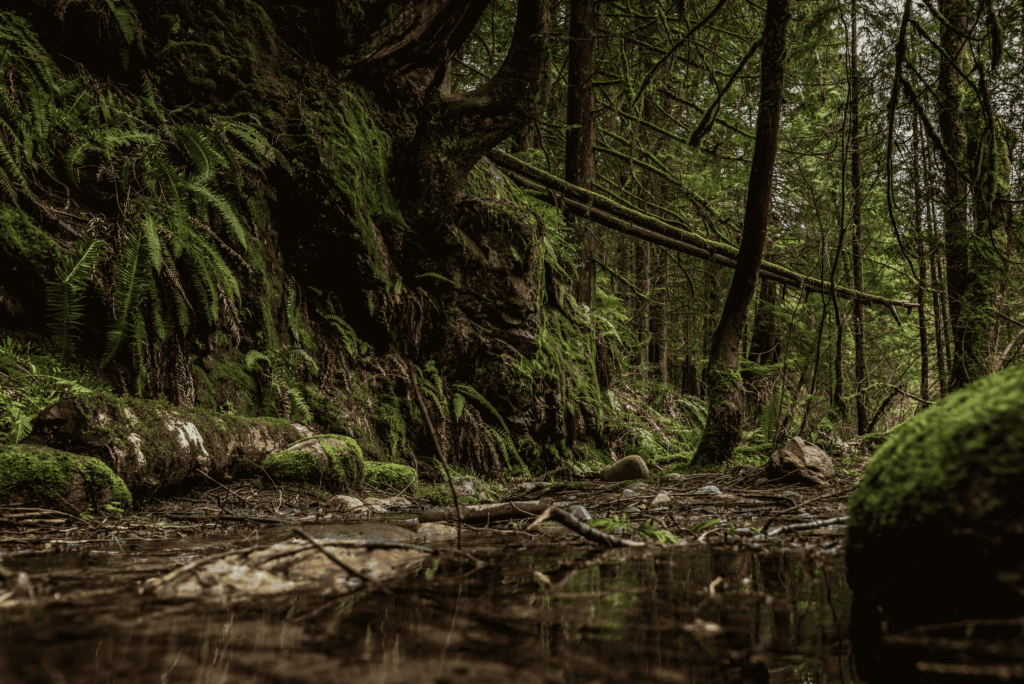
Malcolm Island forms part of British Columbia’s coastal temperate rainforest, one of the largest remaining temperate rainforest regions in the world. Much of the island is covered by western red cedar, western hemlock, Douglas-fir and shore pine, with thick undergrowth of mosses, ferns and shrubs typical of the Pacific Northwest. Wetlands, peat bogs, streams and small freshwater lakes provide important habitat for amphibians, insects and aquatic plants, while rocky shorelines and sheltered bays create a transition between forest and sea. Although the island has been logged in the past, large areas remain forested.
Wildlife
The marine environment
Malcolm Island is surrounded by the waters of Queen Charlotte Strait and the Broughton Archipelago, an area recognised for its biological diversity and productive marine ecosystems. Nutrient-rich ocean currents support salmon, herring and many other fish species, which in turn sustain marine mammals and seabirds.
Salmon play a particularly important role in the coastal ecosystem. They provide food for whales, seals, eagles and bears elsewhere along the coast, while also contributing nutrients to surrounding forests after spawning. For generations, salmon have also been closely connected to the history and economy of Sointula.
Orcas and marine mammals
The waters around Malcolm Island are home to a variety of marine mammals throughout the year. Northern Resident killer whales are among the best known, alongside humpback whales, harbour porpoises, Dall’s porpoises, Pacific white-sided dolphins, harbour seals, Steller sea lions and sea otters.
One of Malcolm Island’s most unusual natural features is found at Bere Point, where Northern Resident killer whales have been observed rubbing their bodies along a gently sloping pebble beach. This behaviour has been documented for decades and is considered uncommon elsewhere in the world. Researchers have suggested several possible explanations, including skin maintenance and social behaviour, although no single theory has been confirmed. The rubbing beach continues to be monitored by researchers and remains an important location for the study of Northern Resident killer whales.
Wildlife on land
Although the surrounding ocean often attracts the most attention, Malcolm Island supports a wide range of terrestrial wildlife. Black-tailed deer are commonly seen throughout the island, particularly near open fields and quiet roads. River otters, mink and beavers inhabit wetlands and streams, while raccoons and smaller mammals occupy the forests.
Birdlife is especially diverse. Bald eagles nest throughout the region and are frequently seen along the shoreline, while great blue herons, kingfishers, ravens, woodpeckers and owls are common residents. During spring and autumn migration, many additional species pass through the island as part of the Pacific Flyway, making Malcolm Island a popular destination for birdwatchers.
Birdwatching
Malcolm Island is an excellent destination for birdwatching throughout the year. Resident species such as bald eagles, ravens, woodpeckers and great blue herons can be seen in all seasons, while spring and autumn migrations bring many additional species along the Pacific Flyway. The island’s combination of shoreline, wetlands, forest and open fields supports a wide variety of habitats within a relatively small area, making it possible to observe numerous species during a single visit.
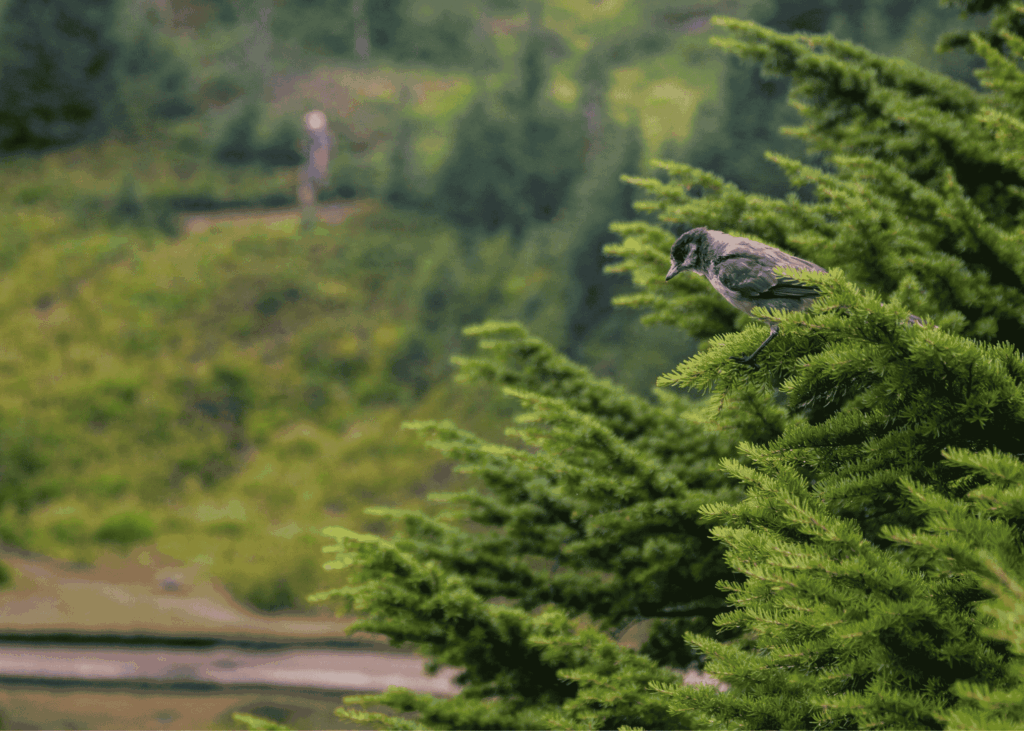
Visitors interested in birdwatching routes and seasonal sightings can find additional information through the BC Bird Trail, which includes Malcolm Island as part of its Sointula and Alert Bay route.
https://bcbirdtrail.ca/trails/sointula-and-alert-bay/
Bere Point Regional Park
Bere Point Regional Park is one of Malcolm Island’s best-known natural areas. Located at the island’s northern tip, it is recognised for its coastal scenery and for the Northern Resident killer whales that are sometimes observed close to shore during the summer months.
The park overlooks one of the few known orca rubbing beaches in the world. Here, killer whales have been recorded rolling onto their sides and rubbing against the smooth pebble shoreline, sometimes repeatedly over several minutes. Researchers have proposed several explanations for this behaviour, including skin maintenance and social interaction, although no single explanation has been confirmed.
A viewing platform allows visitors to observe the area from land while minimising disturbance to the whales. Sightings depend entirely on natural conditions and can never be guaranteed, but Bere Point remains one of the few places where this behaviour may be seen without joining a boat tour.
A landscape shaped by the sea
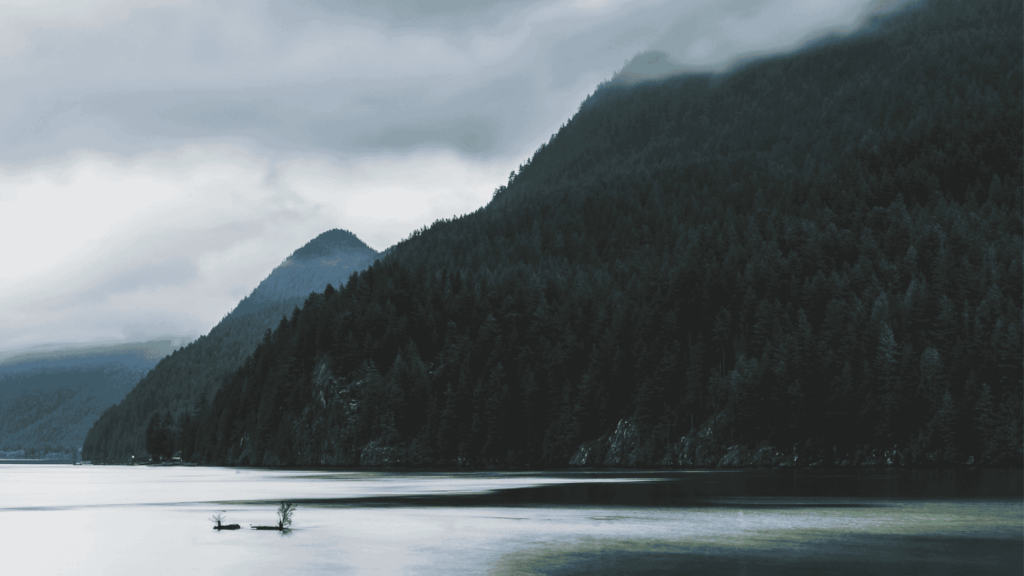
The coastline of Malcolm Island is constantly changing. Twice each day, the tides expose rocky reefs, pebble beaches and tide pools inhabited by sea stars, anemones, crabs and shellfish. Driftwood carried by winter storms accumulates along many beaches, while sheltered bays provide habitat for marine plants and juvenile fish. Life on the island has always been closely connected to these coastal environments. The surrounding waters have provided transportation, food and employment for centuries, and they continue to influence the rhythm of everyday life in Sointula.
Fishing
The surrounding waters have supported fishing for thousands of years and continue to play an important role in the island’s identity. Salmon, halibut, herring and shellfish have shaped both the local ecosystem and the community’s history.
The health of local fish populations is closely connected to the wider marine environment. Conservation efforts throughout the region focus on protecting salmon habitat, maintaining healthy marine ecosystems and ensuring the long-term sustainability of coastal wildlife.
To learn more about the role fishing has played in the development of Sointula, visit the Means of Living page.
Looking after the environment
The natural environment around Malcolm Island faces many of the same challenges affecting coastal British Columbia, including climate change, habitat loss, changing ocean conditions and pressures on wild salmon populations.Several organisations in the region contribute to marine research, habitat restoration and wildlife monitoring. Conservation efforts help protect the ecosystems that support both local wildlife and the communities that depend upon them.
Visitors can also play a role by respecting wildlife by following guidelines, remaining on marked trails, avoiding disturbance to sensitive habitats and leaving natural areas as they found them.
this text was produced with the help of ai
Read More:
Visit Vancouver Island: Sointula.
https://visitvanisland.com/vancouver-island/regions/northern-vancouver-island/communities/sointula/
Tourism Vancouver Island: Sointula.
https://vancouverisland.travel/regions/sointula
Sointula Resource Centre: About Sointula and Malcolm Island.
https://www.sointulainfo.ca/
Vancouver Island North: Sointula Community Guide.
https://vancouverislandnorth.ca/community/sointula/
Government of British Columbia: Malcolm Island Landscape Unit Plan.
https://www2.gov.bc.ca/assets/gov/farming-natural-resources-and-industry/natural-resource-use/land-water-use/crown-land/land-use-plans-and-objectives/westcoast-region/northislandcentralcoast-lu/northislandcentralcoast_lu_malcolmisland_plan.pdf
University of Victoria / Orchive Project: The Orchive: Data Mining a Massive Bioacoustic Archive.
https://arxiv.org/abs/1307.0589
BC Malcolm Island Landscape Unit Plan
Government of Canada – Resident Killer Whale Recovery Strategy