
Utopian Island in British Columbia
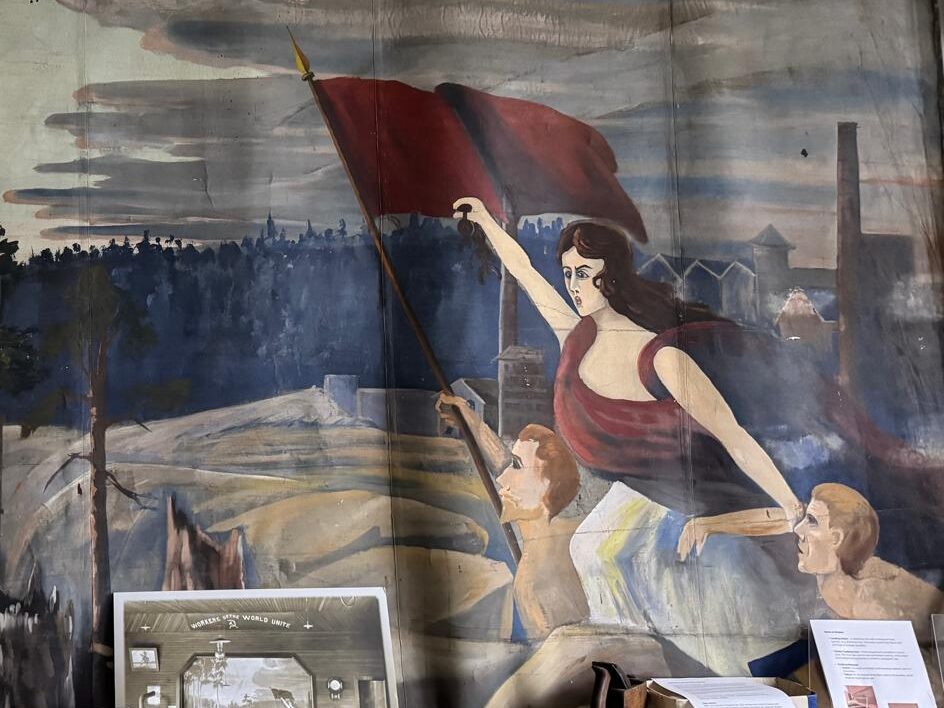
Sointula is a small community on Malcolm Island in British Columbia, Canada, founded in 1901 by Finnish immigrants led by journalist, author, and social reformer Matti Kurikka. The settlement was established by the Kalevan Kansa Colonization Company, which sought to create a cooperative utopian society based on equality, shared ownership, and social harmony. The name Sointula, meaning “Place of Harmony,” reflected the ideals on which the community was founded.
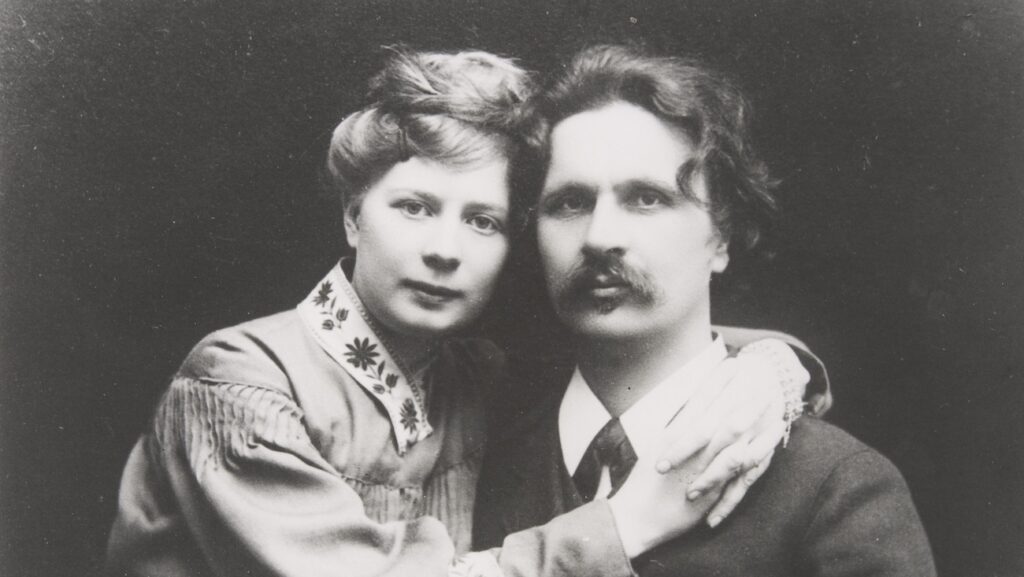
The idea for Sointula emerged among Finnish immigrants living in British Columbia, many of whom had been working in the coal mines of Nanaimo and on Vancouver Island. Inspired by cooperative and socialist principles, Kurikka and his supporters envisioned a new community where work, property, and responsibility would be shared for the common good. Among the movement’s key figures was A. B. Mäkelä, who worked closely with Kurikka as an editor and organiser. After the original cooperative dissolved, Mäkelä remained on Malcolm Island and became an important community leader during the settlement’s transition into a more conventional village.
It is important to recognise that Malcolm Island was not an uninhabited place before the arrival of the Finnish settlers. Indigenous peoples, particularly the Kwakwaka’wakw, had lived in and used the surrounding waters and islands for countless generations before the establishment of Sointula.
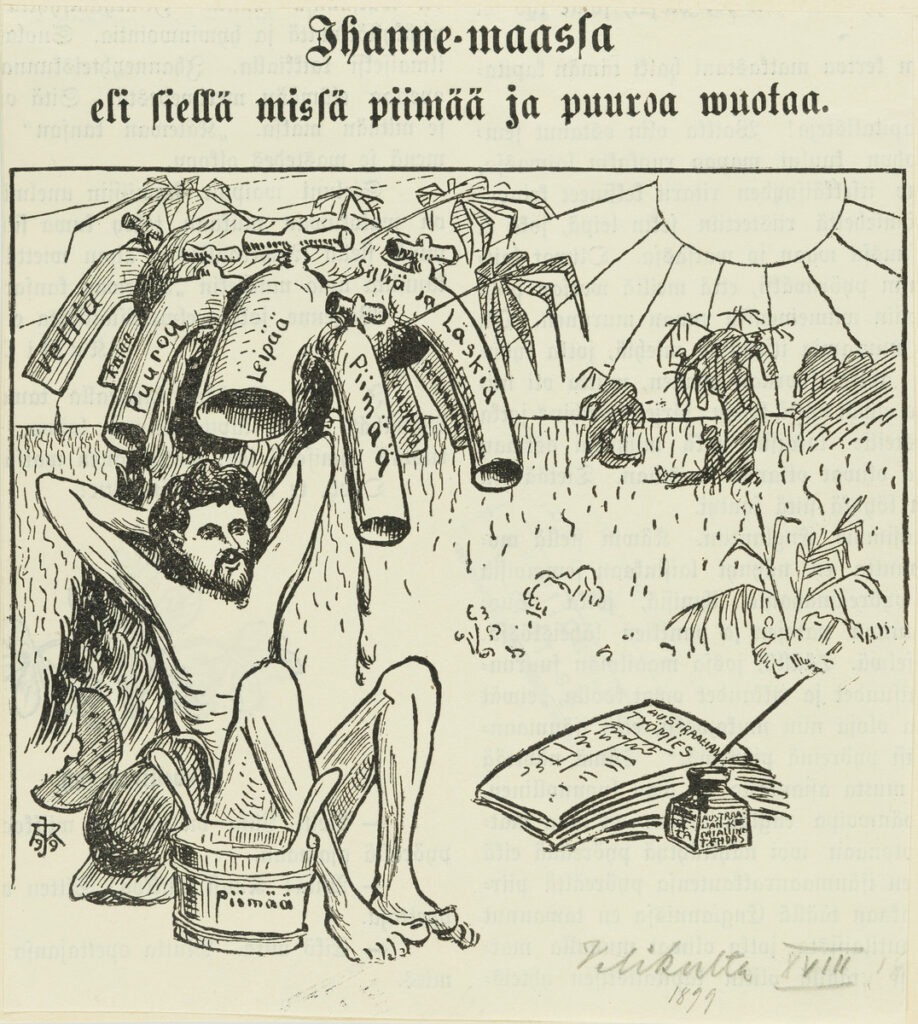
The text reads “You don’t know where the sour milk and porridge flows from”
In 1901, the Government of British Columbia granted the Kalevan Kansa Colonization Company land on Malcolm Island on the condition that a permanent settlement be established. The first settlers arrived that same year and immediately began clearing forest, constructing homes and communal buildings, and developing the infrastructure needed to support the new community.
During 1902, Sointula’s population grew to more than 200 residents as additional Finnish immigrants arrived from both Canada and the United States. The settlers built a sawmill, developed fishing and small-scale farming, and worked collectively to establish schools, workshops, and other essential services. Despite their determination, the isolated location and limited financial resources made daily life demanding, and the community faced ongoing economic and practical challenges.
In January 1903, tragedy struck when a fire destroyed the community hall, which also served as temporary accommodation for several families. Eleven people lost their lives, eight of which being children. For such a small and newly established settlement, the loss was devastating and marked a turning point in Sointula’s early history.
Financial difficulties, disagreements over the direction of the cooperative, and leadership conflicts continued in the years that followed. In 1905, the Kalevan Kansa Colonization Company declared bankruptcy, bringing the original utopian experiment to an end. Although the cooperative dissolved, many residents chose to remain on Malcolm Island. They rebuilt their homes and livelihoods, gradually establishing Sointula as a stable fishing and forestry community.
Throughout the twentieth century, Sointula retained many of the cooperative traditions and social values that had shaped its founding. Scholars have noted that communal attitudes and cooperative practices continued to influence community life well into the 1960s. While the settlement evolved beyond its original utopian vision, its Finnish heritage remained a defining part of its identity. Today, Sointula is recognised as one of the most significant examples of a Finnish utopian settlement outside Finland. Its history is preserved through local museums, historic buildings, community traditions, and annual cultural events, offering visitors and residents alike an opportunity to learn about the community’s unique origins and enduring legacy.
The founders
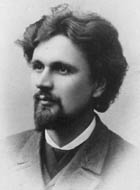
Matti Kurikka (1863–1915) was a Finnish journalist, author, playwright, and social reformer who conceived the idea of Sointula as a cooperative utopian community. He believed that a society based on equality, collective ownership, and mutual responsibility could provide an alternative to the economic and social inequalities of the time. His vision attracted hundreds of Finnish immigrants to Malcolm Island.
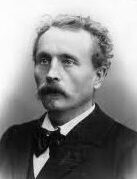
A. B. Mäkelä (August Bernhard Mäkelä, 1864–1935) was one of Kurikka’s closest collaborators and an influential editor, writer, and organiser within the Kalevan Kansa movement. He helped shape the settlement’s early publications and administration. After the cooperative collapsed, Mäkelä remained in Sointula, where he played an important role in helping the community adapt and continue beyond the end of the original experiment.
The Community Hall fire
The Community Hall fire of 1903 remains one of the defining events in Sointula’s history. The hall served as the centre of community life and also housed several families during the settlement’s earliest years. The fire claimed eleven lives, representing a profound loss for a community of only a few hundred people. Beyond its immediate human tragedy, the disaster placed enormous emotional and practical strain on the young settlement and contributed to the difficulties that eventually led to the collapse of the Kalevan Kansa cooperative.
Community Development
Following the bankruptcy of the Kalevan Kansa Colonization Company in 1905, Sointula entered a new phase of its history. Although the cooperative experiment had come to an end, many of the original settlers remained on Malcolm Island. Private ownership gradually replaced collective ownership, while cooperation continued to shape many aspects of community life.
Throughout the first half of the twentieth century, fishing, logging, farming, and boatbuilding formed the foundation of the local economy. These industries provided employment for many residents and connected Sointula to the wider coastal economy of British Columbia. The Sointula Co-operative Store, founded in 1909, became one of the community’s most enduring institutions. Established to provide affordable goods and services for local residents, it remains in operation today and reflects the importance of cooperative enterprise in Sointula’s history.
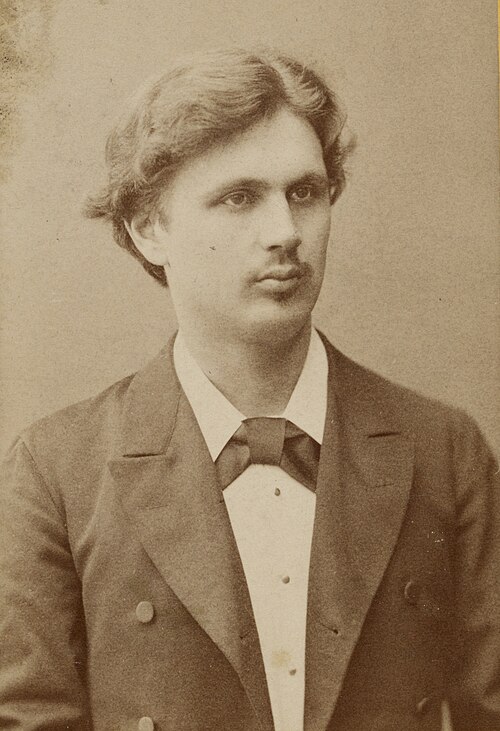
(redits: Daniel Nyblin Museovirasto)
The Finnish heritage of the community remained strong for many decades. Finnish was widely spoken, Finnish-language newspapers and publications circulated among residents, and community organisations helped preserve traditions brought from Finland. At the same time, Sointula became increasingly diverse as new residents from other parts of Canada and abroad settled on Malcolm Island.
During the 1920s and 1930s, some members of the Finnish Canadian community left British Columbia for Soviet Karelia as part of Soviet campaigns to recruit skilled Finnish workers. Others remained in Sointula, where they continued to contribute to the community through fishing, forestry, commerce, and local organisations. In the late 1960s and early 1970s, Malcolm Island attracted new residents from Canada and the United States, including American Vietnam War draft resisters and people associated with the counterculture movement. Their arrival introduced new perspectives while adding to the community’s cultural diversity.
Like many coastal communities in British Columbia, Sointula experienced significant economic change during the late twentieth century. The decline of commercial fishing and changes in the forestry industry affected employment and encouraged greater economic diversification. Tourism, small businesses, the arts, and community services have since become increasingly important to the local economy. Today, Sointula is an unincorporated community within the Mount Waddington Regional District. Residents elect representatives to the Regional District and participate in provincial and federal elections. Community organisations, volunteer groups, and cooperative institutions continue to play an important role in local life, reflecting traditions that have been part of Sointula for more than a century.
Is Sointula still socialist?
Sointula is no longer a socialist cooperative settlement in the sense originally envisioned by Matti Kurikka. Today, the community operates within the same economic and legal systems as other Canadian communities, with privately owned homes, independent businesses, and a market-based economy.
However, some institutions and traditions that developed from the community’s cooperative history remain. The Sointula Co-operative Store, founded in 1909, continues to operate, and volunteer organisations and community groups remain important parts of local life.
While the original political and economic goals of the Kalevan Kansa colony did not continue, cooperation and community involvement remain visible aspects of Sointula’s identity.
Religion
Religion played a limited role in Sointula during its early years. Matti Kurikka, the founder of the settlement, was influenced by theosophy and Christian socialism but was critical of established churches and their authority. Under his leadership, the original Sointula colony (1901–1905) was established without a church, reflecting its secular and cooperative ideals.
After the Kalevan Kansa cooperative dissolved in 1905, many settlers remained on Malcolm Island and the community gradually changed. Although informal religious gatherings were held from the 1940s onward, organised religion remained uncommon for many years, and long-time residents generally saw little need for a church. Debate over establishing one continued throughout the 1950s.
The Sointula Community Church was officially established in 1961, becoming the first church on Malcolm Island. Its creation reflected the changing character of the community as new residents arrived and attitudes toward organised religion evolved. Today, it remains the island’s only church.
Recent History

The community’s history is preserved and shared through the Sointula Museum, which houses photographs, documents, and artefacts relating to the island’s Finnish settlement and everyday life. The museum plays an important role in preserving Sointula’s cultural heritage and offers visitors an opportunity to learn about the community’s origins, development, and lasting legacy.
Today, Sointula is home to approximately 600 residents. Although small, the community is known for its strong sense of community, natural surroundings, and distinctive history. Visitors from across Canada and abroad travel to Malcolm Island to experience its unique heritage, with many Finnish visitors drawn by the shared history of the settlement and family connections that span generations.
Read More:
Yle Elävä arkisto: Kalevan kansan luvattu saari.
https://yle.fi/a/20-86159
Yle: Suomalainen haaveilija perusti maailman toiselle puolelle kylän, johon muutti satoja suomalaisia.
https://yle.fi/a/74-20061593
Uppslagsverket Finland: Sointula.
https://www.uppslagsverket.fi/sv/view-170045-Sointula
University of Victoria, Katherine Wilson (2006): Setting the Standard: The History of Sointula’s Cooperative Institutions.
https://dspace.library.uvic.ca/bitstream/handle/1828/1982/Wilson_K_MA.pdf
Journal of Finnish Studies: Finnish Immigrants and North American Left-Wing Politics.
https://www.researchgate.net/publication/272354665_Journal_of_Finnish_Studies_Volume_15_Number_1_2_Special_double_issue_Victims_and_Survivors_of_Karelia_edited_by_Markku_Kangaspuro_and_Samira_Saramo_guest_editors_General_editors_Helena_Halmari_Hanna_S
University of Victoria. Setting the Standard (thesis repository).
University of Victoria repository
Community-University Research Alliance (University of Victoria). Finnish/Canadian Community History – Sointula Museum Project.
CURA Finnish/Canadian Community History
University of Helsinki, Aleksi Huhta (2025): Toward a Red Melting Pot: Finnish North American Socialists and the Making of a Radical Transnational Culture.
https://researchportal.helsinki.fi/files/172797034/Aleksi_Huhta._Toward_a_Red_Melting_Pot_1_.pdf
- Wild, Paula. Sointula: Island Utopia. Harbour Publishing, 1995.
- Halminen, Matti. Sointula: Kalevan kansan ja Kanadan suomalaisten historiaa. 1936.
- Halminen, Matti. We Work Together for the Benefit of All: The Story of Malcolm Island’s Socialist Collective, 1901–1905. Sointula Museum & Historical Society, 2021.
This text was produced with the help of ai.
Hear more from the residents of Sointula:
More sources:
Additional sources:
https://en.wikipedia.org/wiki/Sointula
https://www.cbc.ca/news/canada/british-columbia/finland-band-sointula-1.4301860