
Founded by Finnish early utopian socialists in 1901, the remote Canadian community of Sointula survived the collapse of its original utopian experiment, the departure of its charismatic leader, and the decline of the fishing industry that once made some of its residents millionaires. As Sointula celebrates its 125th anniversary, a Finnish radio discussion explores the extraordinary resilience of a community built on equality, co-operation and a persistent belief in a better society.
On a small island off the coast of British Columbia, there is a village where people still leave their doors unlocked, fishermen share their catch with neighbours and women have traditionally taken the lead in organising community life.
The village is called Sointula, Finnish for Place of Harmony. It was founded in 1901 by Finnish immigrants determined to escape poverty, exploitation and the inequalities of the society they had left behind.
Their original socialist experiment collapsed within four years. Its ideals, however, have proved remarkably resilient.
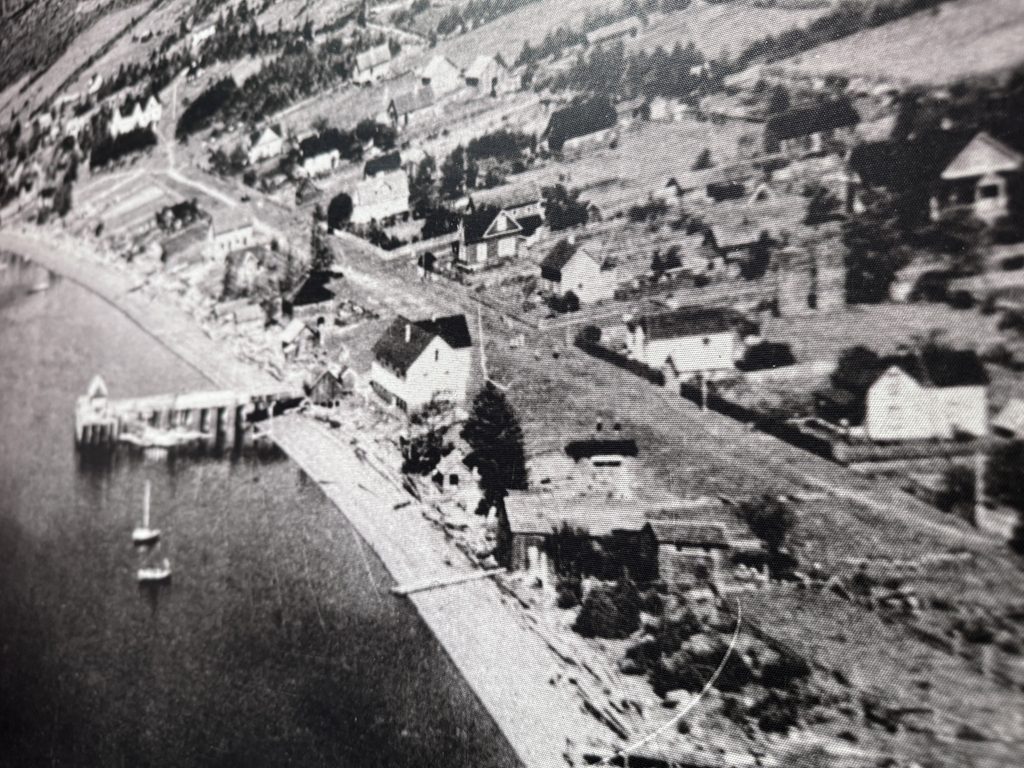
Today, approximately 500 to 600 people live in Sointula on Malcolm Island, close to the northern end of Vancouver Island. Finnish street names, a century-old co-operative shop, a historic community hall and an enduring culture of voluntary work preserve the legacy of the settlement’s founders.
The community has survived several economic transformations, including the spectacular rise and subsequent decline of commercial salmon fishing. It now faces another challenge: how to preserve its distinctive social culture as younger generations leave, newcomers arrive and traditional livelihoods disappear.
These questions were at the centre of a 58-minute discussion broadcast by Finland’s public broadcaster YLE on Tuesday, 27 October 2026.
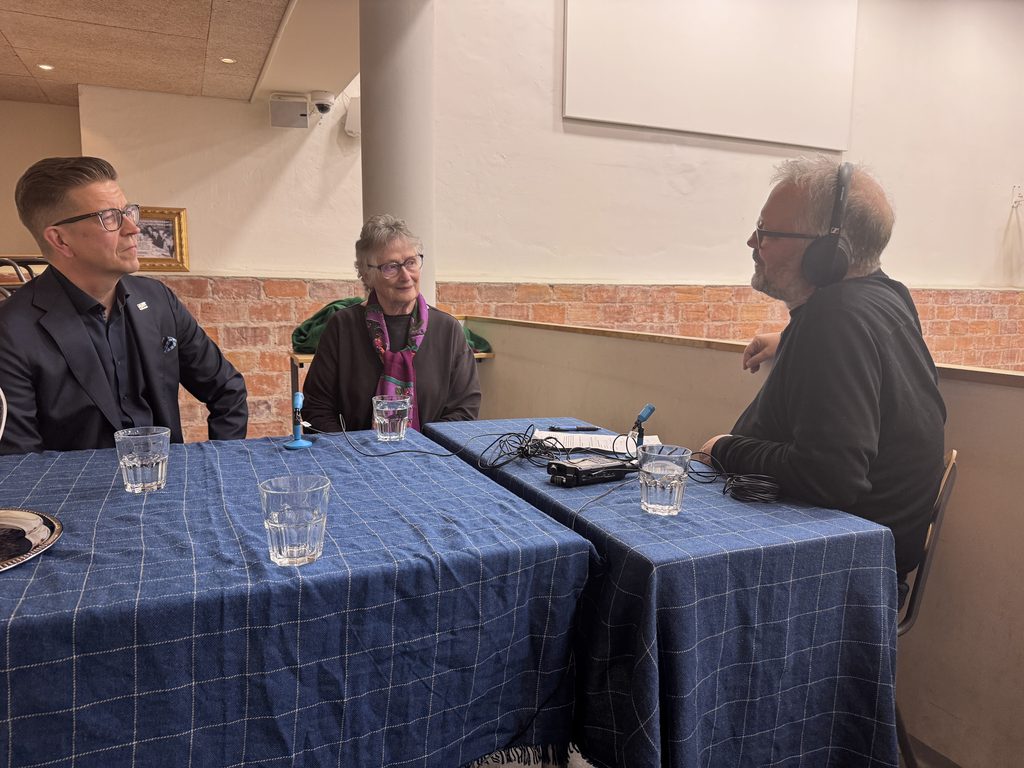
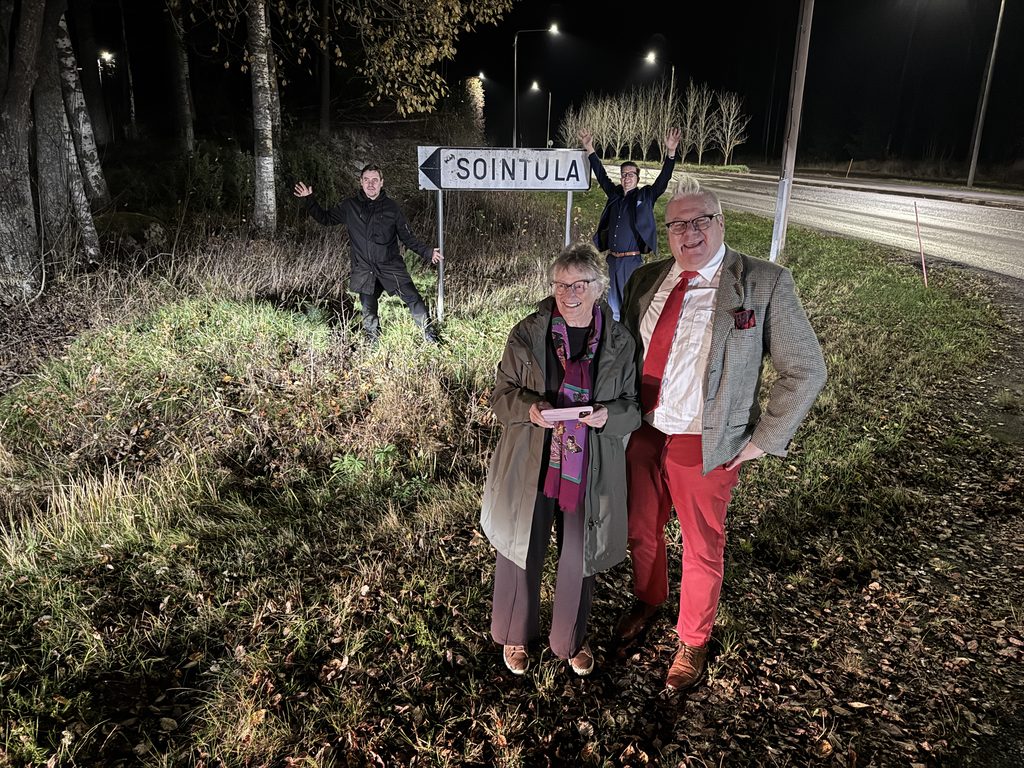
Recorded at the Finnish Labour Museum Werstas in Tampere for the Radio 1 programme Kulttuuriykkönen (Culture One), hosted by journalist Jonni Roos, the discussion brought together Sointula Museum’s archives co-ordinator and former director Kathy Gibler, exhibition team members Mika Kaartinen and Jarkko Lehtopelto, museum educator Hanna Yli-Hinkkala and Finnish journalist, entrepreneur and Sointula enthusiast Jan Erola.
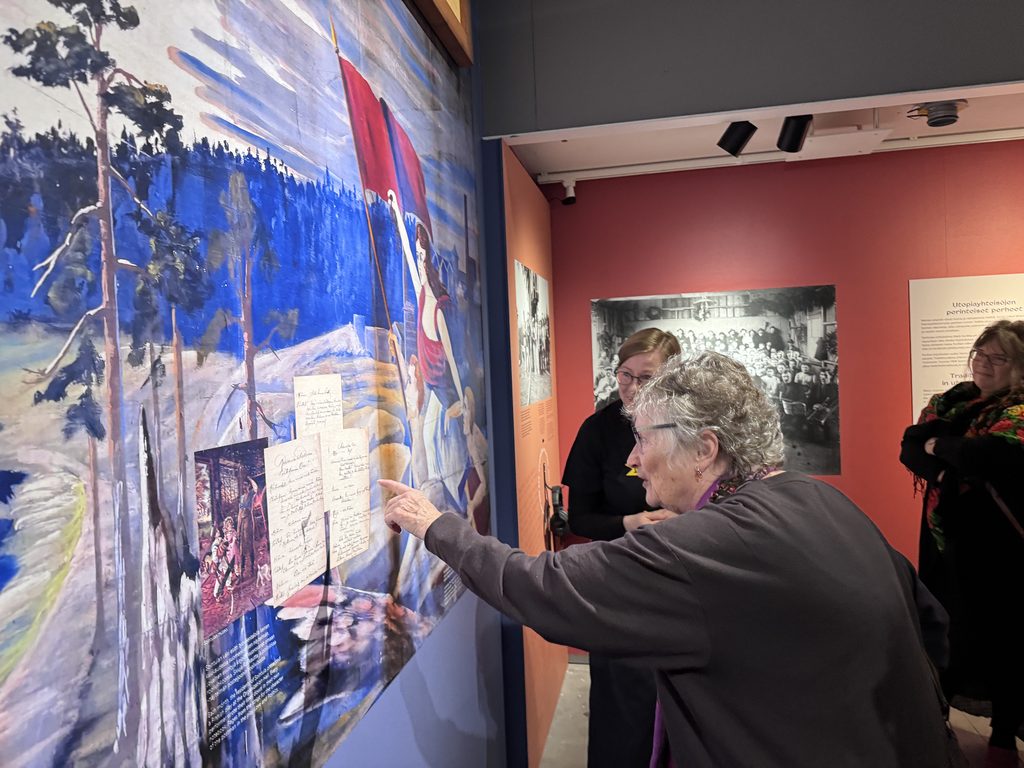
The programme accompanied the opening of Utopian aika, or Age of Utopias, a new exhibition examining three extraordinary Finnish attempts to build ideal societies abroad.
For Gibler, the explanation for Sointula’s longevity begins with its most ordinary characteristic: the relationships between its inhabitants.
“For me, the essence of Sointula is community in spirit, you know, everyday life and people,” she explained. “I think it’s probably the most important thing that makes us special.”
The more remarkable question is how that spirit has survived for 125 years.
A utopian socialist paradise in the Canadian wilderness
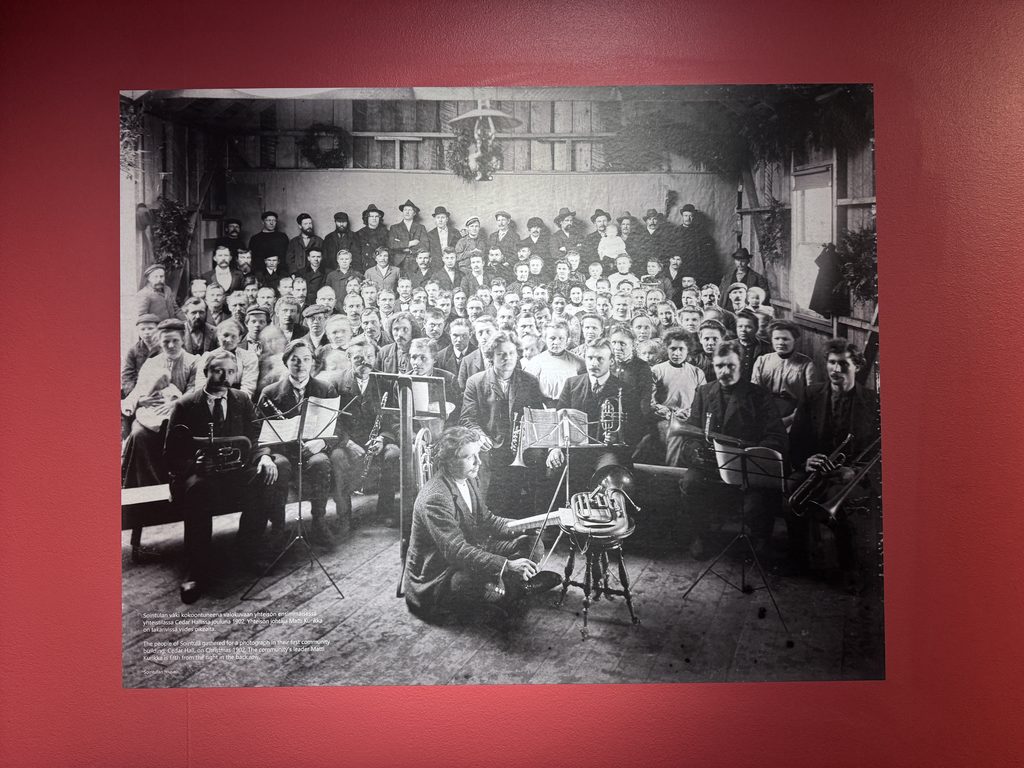
At the turn of the 20th century, Finland was a predominantly agricultural society characterised by severe inequalities in land ownership and economic opportunity.
For many rural families, prospects of acquiring property or achieving financial independence were extremely limited.
“Finland was a relatively poor country in the late nineteenth and early twentieth centuries,” explained Hanna Yli-Hinkkala of the Finnish Labour Museum Werstas.
“It was also a highly unequal society. Most people depended on agriculture in one way or another, but relatively few owned land. The majority belonged to the rural poor, whose prospects in Finland were very weak.”
Mass emigration offered an escape. Hundreds of thousands of Finns travelled abroad, particularly to North America, seeking employment and opportunities unavailable at home.
Yet the founders of Sointula were motivated by something more ambitious than individual economic advancement. They wanted to redesign the foundations of society.
The emerging Finnish labour movement, temperance societies and other civic organisations had introduced a generation to the idea that collective action could transform people’s lives.
“They developed the belief that the world could be changed and that they could change their own lives,” Yli-Hinkkala said.
Among the Finnish immigrants already living in British Columbia were men employed in railway construction and coal mining. Many had discovered that escaping poverty in Finland could simply mean encountering different forms of exploitation in North America.
A group of Finnish miners around Nanaimo, including Matti Halminen, began planning a community in which workers would control their own economic future.
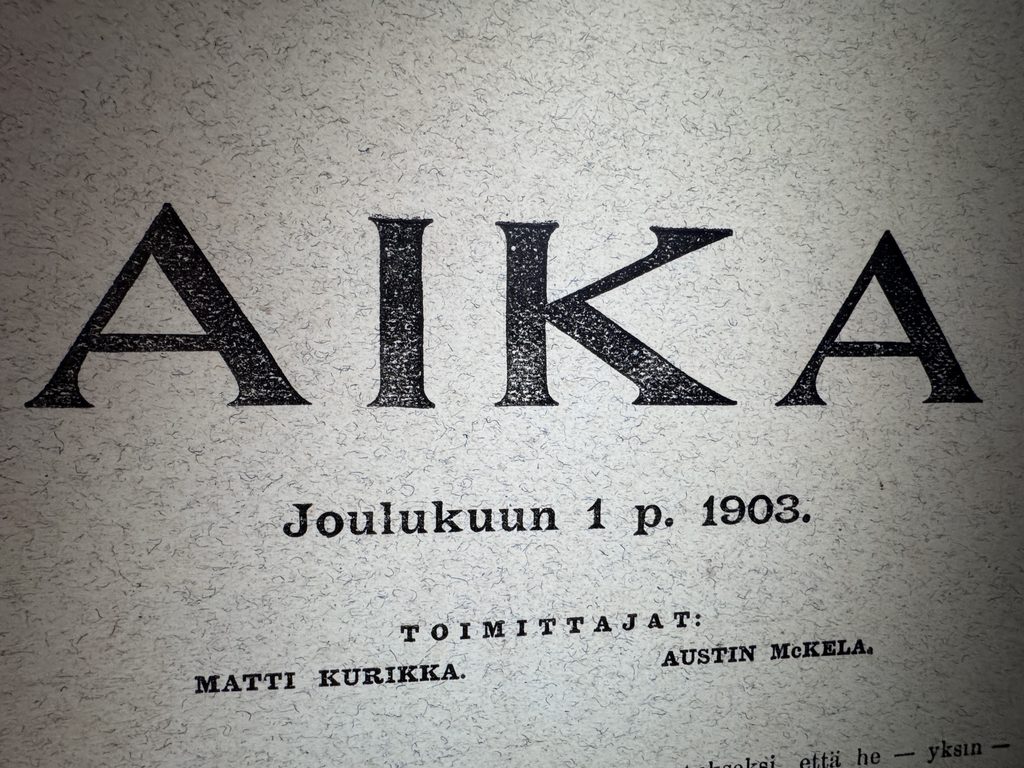
They invited Matti Kurikka, a Finnish journalist, socialist organiser and charismatic political thinker, to lead the project.
Between 1897 and 1899, Kurikka had been editor-in-chief of Työmies, an influential Finnish labour newspaper. His ideological outlook combined socialism, theosophy, Finnish mythology, elements of ancient religious traditions and unconventional ideas about relations between women and men.
He had already participated in an unsuccessful utopian experiment in Australia.
Now he was being offered another opportunity.
With the involvement of Kurikka, Halminen and another influential thinker, A. B. Mäkelä, the settlers established their community on Malcolm Island, where the provincial authorities encouraged European settlement.
“The whole project was full of ideas, full of thoughts and full of dreams,” Kaartinen recalled.
The difficulties became apparent almost immediately.
The island was covered by dense coastal forest, almost like a Northern rainforest. Enormous trees had to be felled, houses constructed, roads cleared and land prepared for agriculture. The soil and landscape were poorly suited to the agricultural ambitions of the settlers.
“People arrived with tremendous enthusiasm and inspiration, but the reality was extremely hard,” Kaartinen explained.
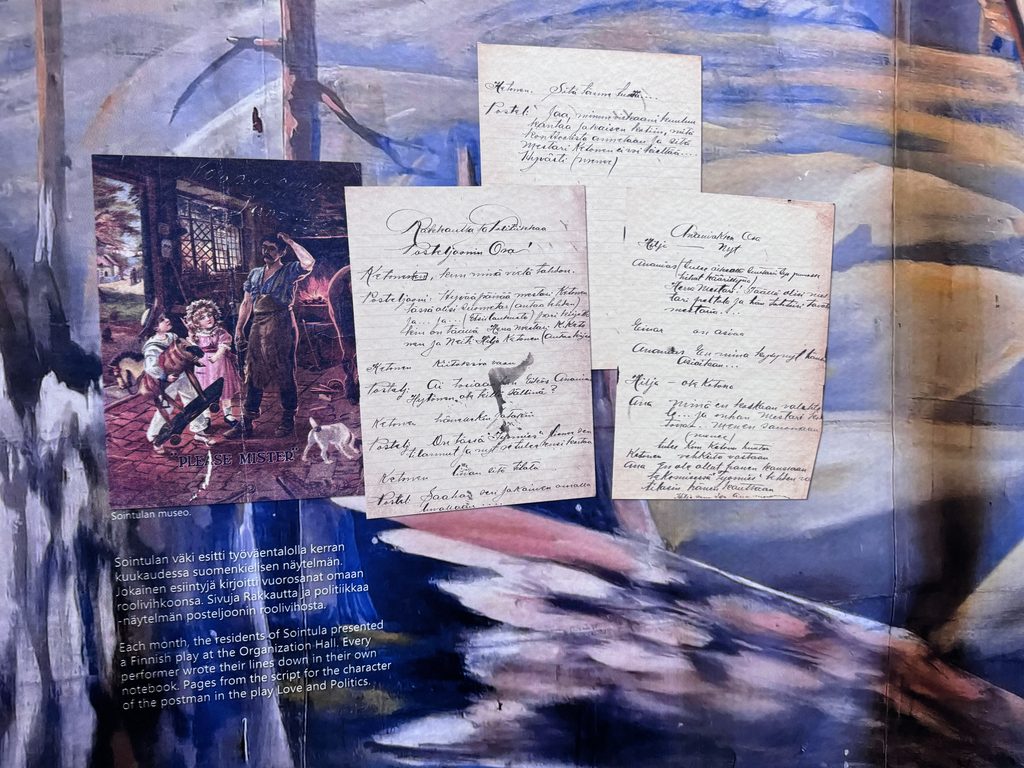
The community nevertheless introduced strikingly progressive ideas for its time.
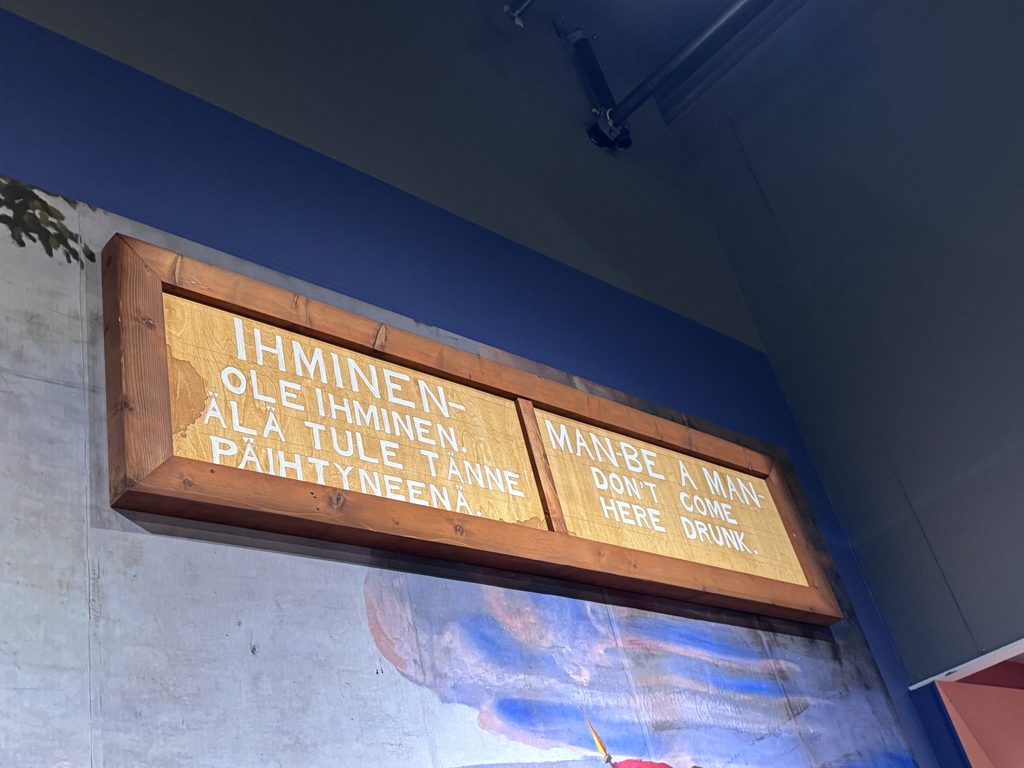
Work and resources were to be shared. Equality between women and men was an explicit principle. Childcare was organised so that mothers could participate in economic activities. Temperance was encouraged, while established religious authority was rejected.
“Equality was one of the central ideas they wanted to promote, and women’s rights were strongly connected with that,” Kaartinen said.
The unusual combination of political radicalism and spiritual experimentation also produced controversy.
Kurikka’s advocacy of equality between the sexes was widely interpreted as support for free love, giving Sointula a reputation that extended far beyond the settlement itself.
Yli-Hinkkala cautioned that the reputation was misleading.
“His ideas included the principle that women and men were equal. At the time, that was also interpreted as a declaration of free love, although the actual practices in Sointula were rather different.”
The utopian settlement was unable to overcome its economic difficulties and internal disagreements.
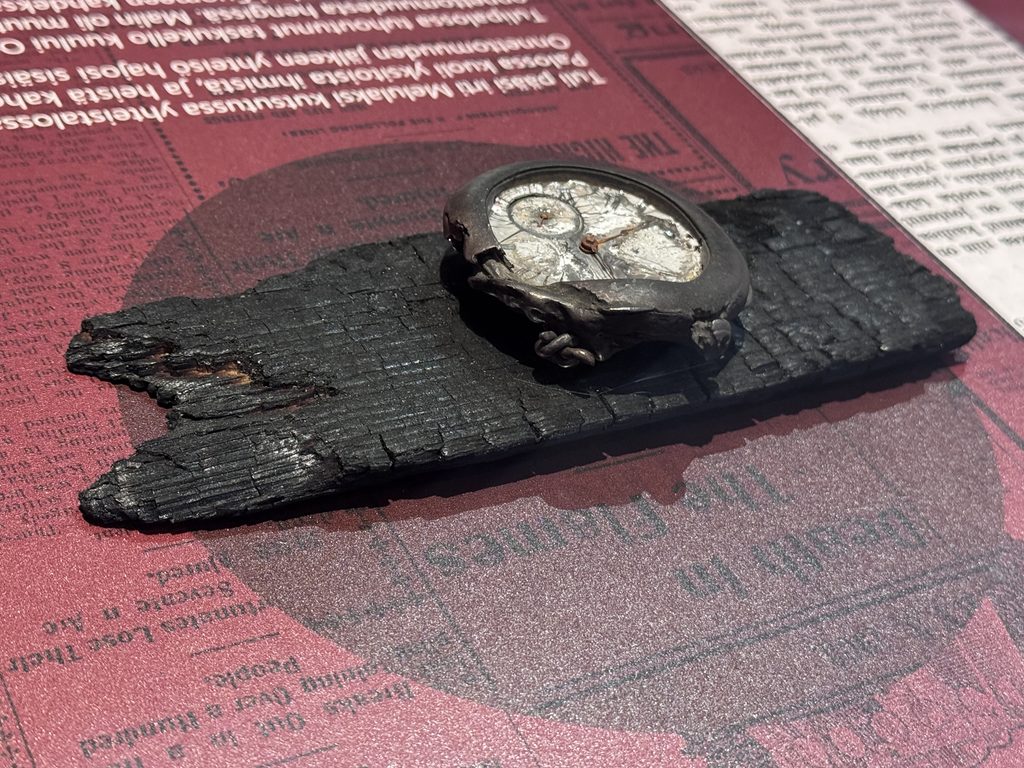
A devastating fire in 1903 killed 11 people, including eight children. The tragedy deepened tensions in a community already struggling with financial and organisational problems. There were suspicions of financial irregularities within the community, and Sointula’s shared bookkeeping was destroyed in a fire. This escalated conflicts as the community’s finances fell into severe difficulties.
Kurikka eventually departed, and the original communal enterprise dissolved in 1905.
Mäkelä remained, however, and continued to play an important role in the community until his death in 1932.
Some settlers returned to Finland or moved elsewhere in North America. Others decided that, despite the failure of the grand experiment, Malcolm Island had become their home. This decision changed the course of Sointula’s history.
How co-operation replaced revolutionary idealism
The collapse of the original colony forced its surviving inhabitants to make a fundamental choice.
They could abandon the ideas that had brought them together or find more practical ways of preserving them.
Gradually, an ambitious experiment in communal ownership evolved into a village organised around co-operation, mutual assistance and local institutions.
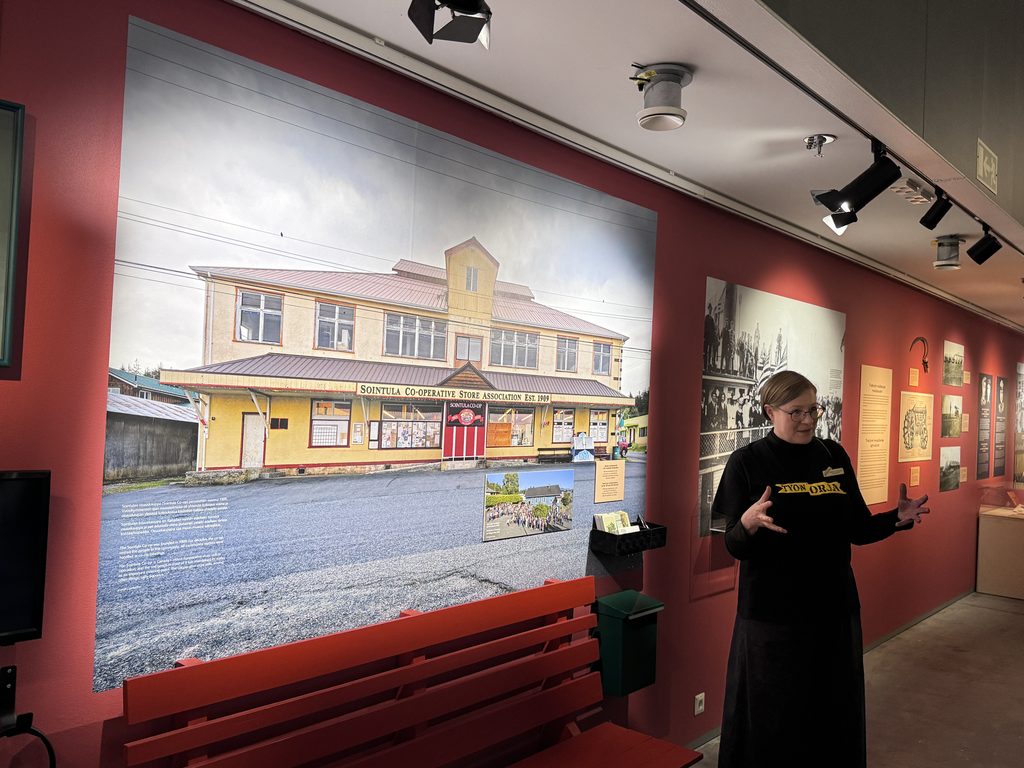
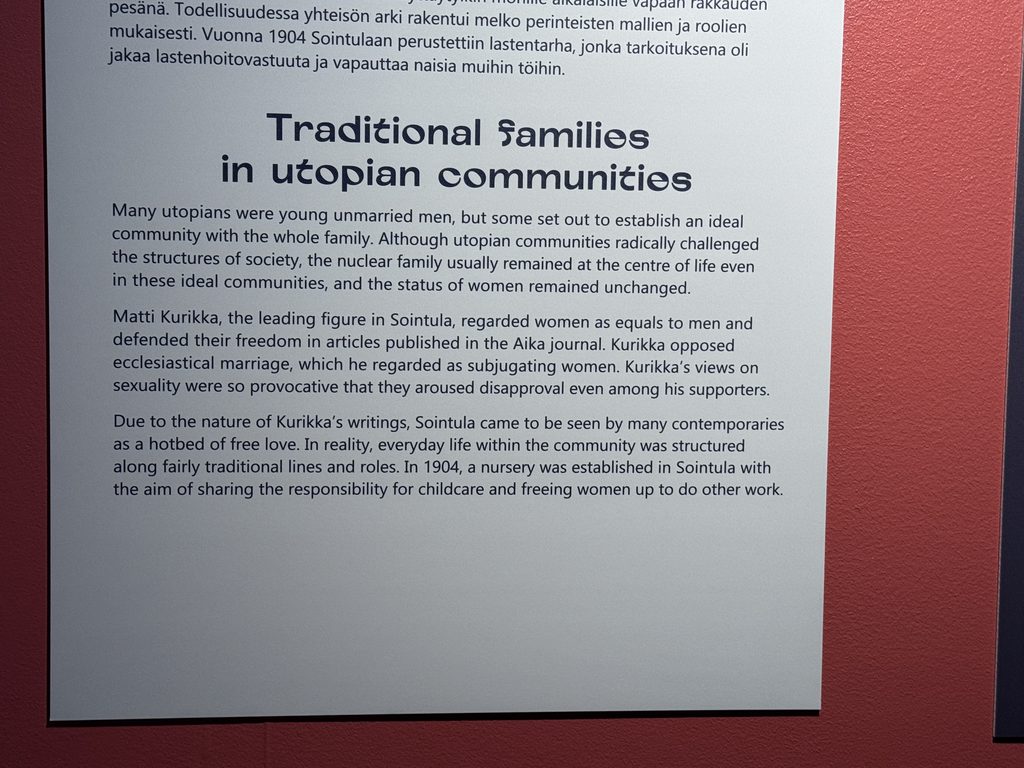
One particularly enduring achievement was the establishment of the Sointula Co-operative Store in 1909.
The shop remains in operation today and is widely described as Canada’s oldest continuously operating co-operative store.
“The co-operative became a central institution for the community,” Yli-Hinkkala explained.
“The idea of sharing and working together found a new foundation in co-operative activity.”
The co-operative was far more than a commercial enterprise. It provided an organisational centre for village life and helped sustain the values of the original settlement long after its revolutionary leadership had disappeared.
A red bench outside the shop remains one of Sointula’s best-known meeting places.
For Yli-Hinkkala, the transformation demonstrates how ideological projects can survive by adapting their institutions to everyday realities.
The early settlement’s ambitious theories gradually gave way to practical arrangements that enabled people to live and work together.
Today, the organisation of community life retains an unusual feature: Sointula is an unincorporated settlement, without its own municipal mayor or council.
Canadian laws and regional governmental structures apply, but much of the village’s social and community activity depends on local organisations and volunteers.
Gibler sees this as a crucial explanation for the survival of its founding ethos.
“When we need something or want something done in Sointula, we have to do it ourselves,” she said.
“There’s a lot that goes on that everybody comes together to do.”
The practical consequences are visible in the maintenance of communal spaces, local events, voluntary organisations and the everyday expectations placed on residents.
Kaartinen explained that activities which might be organised by municipal employees elsewhere often depend on neighbours co-operating.
“The gardens, the public spaces, keeping the village beautiful and tidy, these are things people do together,” he said.
For newcomers, becoming part of the community can require learning a different understanding of civic responsibility.
The women who really ran Sointula
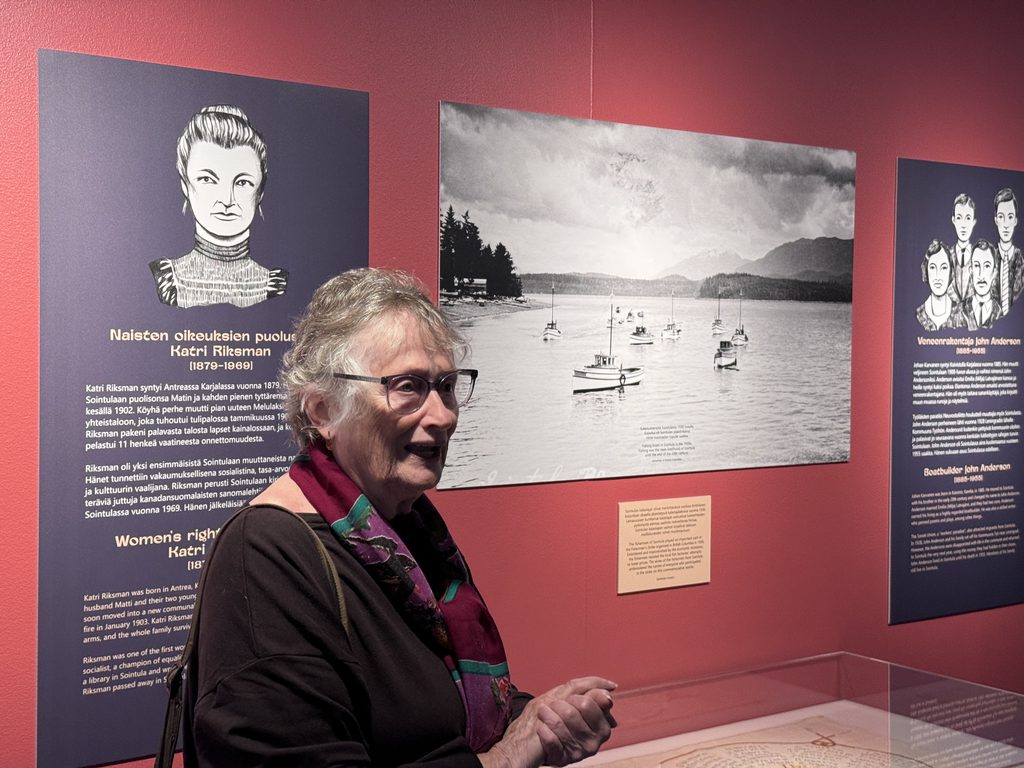
Although the early history of Sointula is dominated by male figures such as Kurikka, Halminen and Mäkelä, the discussion highlighted the central importance of women in shaping its enduring culture.
Kaartinen argued that historical accounts tend to overlook the people who actually organised everyday life.
“The history is full of these male leaders, Kurikka, Mäkelä, Halminen and others,” he said.
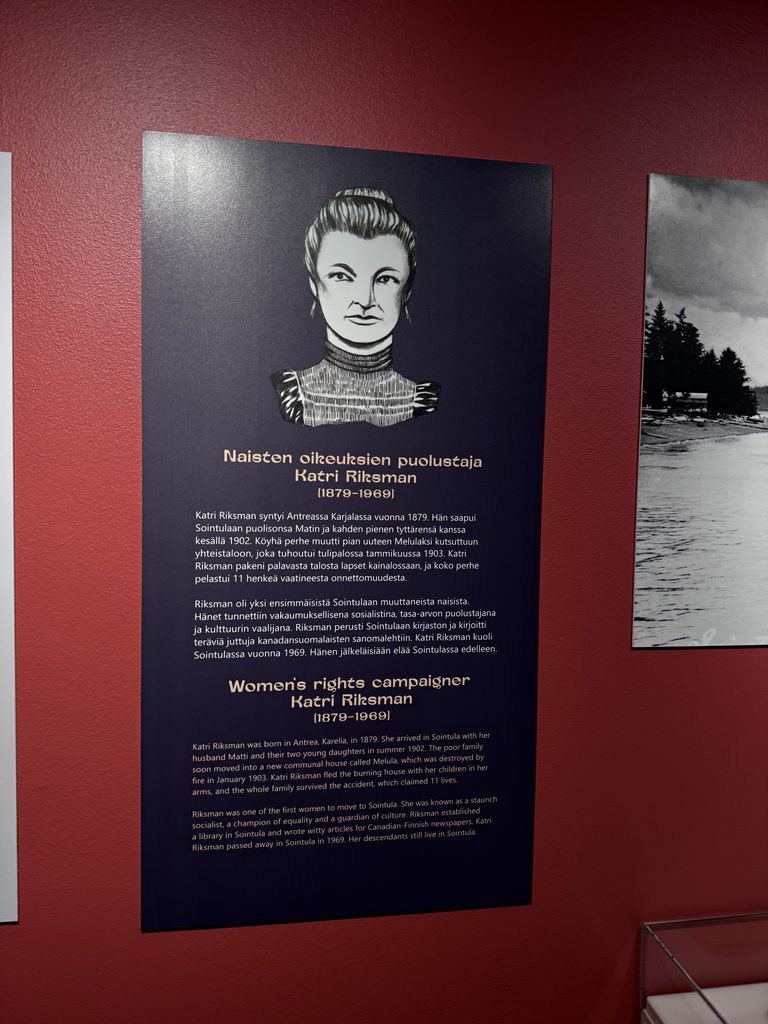
“But it has become very clear to me that Sointula is a village community led by women.”
His observation was based partly on repeated visits to the island and his experience organising cultural exchanges between Finland and Sointula.
Whenever arrangements needed to be made for performances, visits or other activities, he said, the principal organisers were usually women.
Gibler confirmed the observation and offered a historical explanation.
“There’s a couple of reasons why. Number one is the men in the early days had to go away to work. So they went logging, they went fishing, they were gone for months, which meant that everything in Sointula that needed to be done, the women did.”
The necessity of running the village during the men’s prolonged absences created an enduring tradition of female leadership.
“They therefore started organisations. When the men came home, they didn’t take over.”
Gibler summarised the legacy with a phrase that has become part of local identity.
“We’ve always said that Sointula raises feisty women because they’re used to being decision makers in the home, in the community.”
This is an example of the relationship between ideology and practical necessity.
The original settlement proclaimed equality between women and men. Subsequent generations of women acquired considerable influence because the community’s economic circumstances required them to organise and make decisions independently. The tradition survived long after the ideological debates of the founding generation had faded.
When fishermen became millionaires
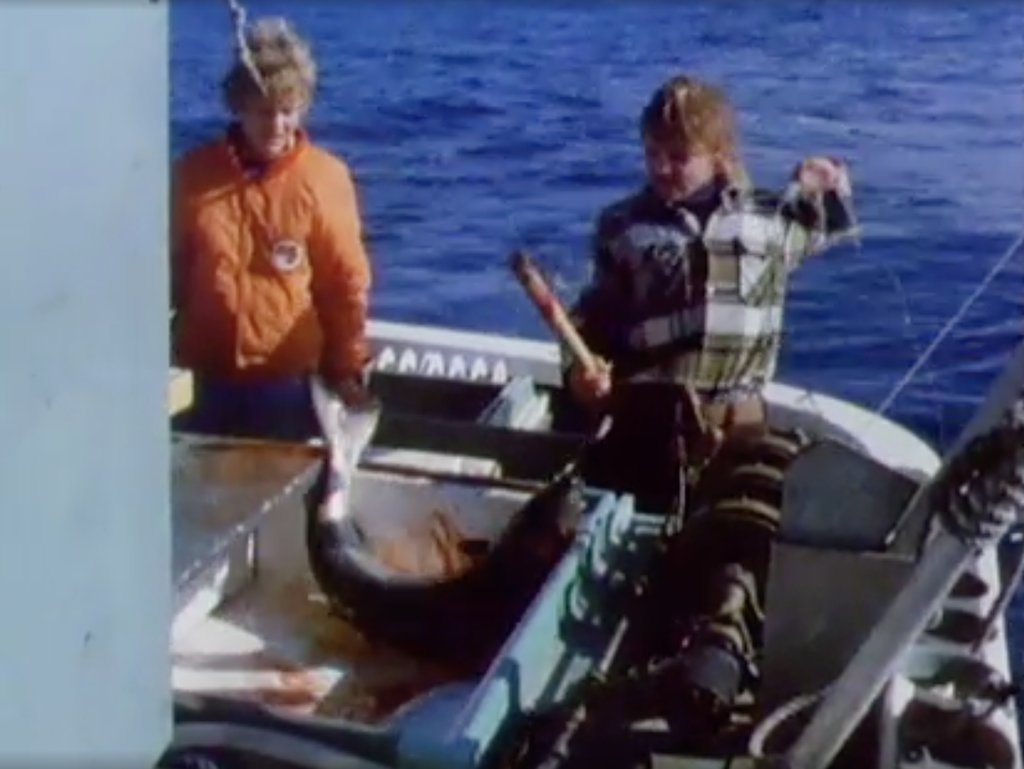
Few aspects of Sointula’s history demonstrate the unpredictable fortunes of an isolated community as vividly as its fishing industry.
For much of the twentieth century, commercial fishing became the economic foundation of the village.
The surrounding Pacific waters offered a livelihood far more suitable to the island’s geography than the agricultural economy originally imagined by its founders.
According to Gibler, fishing shaped virtually every aspect of local life.
“It was the centre of the economy, really, for many, many years. Almost all Sointula families fished.”
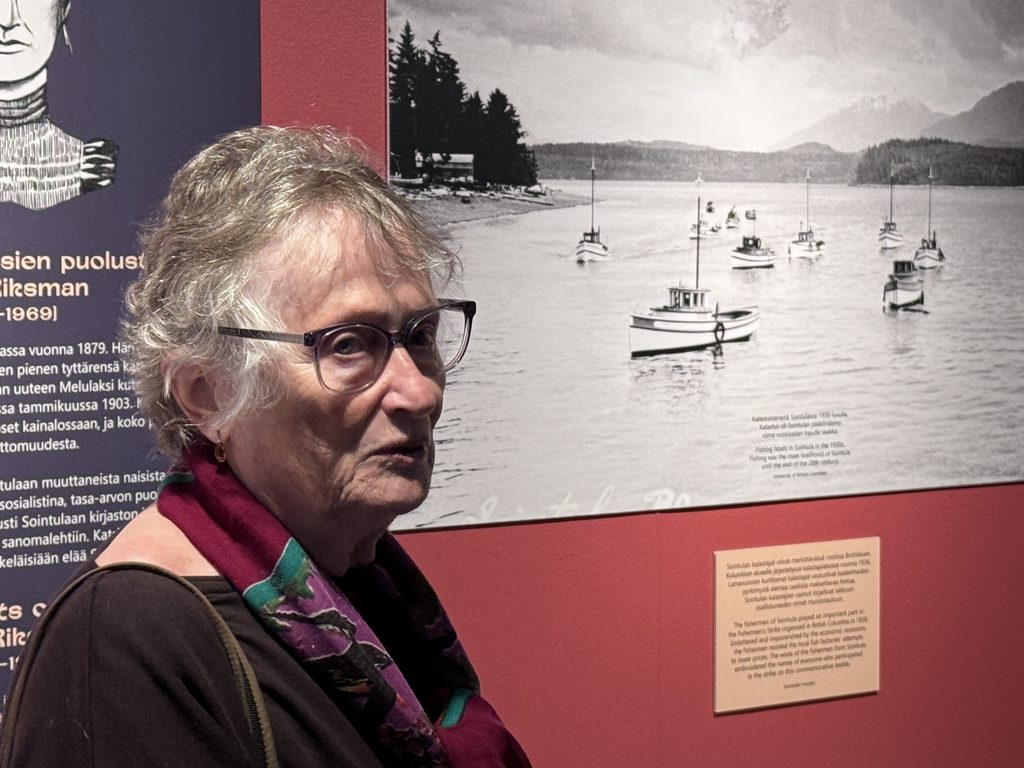
Commercial salmon fishing was capable of generating considerable wealth.
“It supported the community, so there was an up and down to that, because when fishing was good, the community was rich. When fishing was bad, then everything was pulled back.”
The wealth could be extraordinary.
“There is a saying, and I’ve heard it a number of times, that at one point, Sointula had the largest percentage of millionaires in Canada.”
The claim remains a local anecdote rather than a verified national statistic, but stories told by former residents illustrate how dramatically fishing transformed life on the island.
Erola, who has visited Sointula twice and interviewed its inhabitants, recalled accounts of young people leaving school because the prospect of earning substantial money on fishing boats was simply too attractive.
“Especially boys, but also girls, abandoned their education altogether because it made more financial sense to go straight into fishing,” he said.
“They could earn so much that they bought cars, and when a car broke down, they didn’t necessarily repair it. They simply bought another.”
According to the stories he heard, the prosperity also brought difficulties, including alcohol and other substance-related problems.
The good years created a distinctive economy in which relatively young people could accumulate money rapidly, sometimes without completing their formal education.
But prosperity tied to one natural resource also created considerable vulnerability.
Fishing catches declined, environmental concerns increased and regulations progressively restricted commercial fishing seasons.
“The fishing fleet became so sophisticated with its equipment that the fish had to be protected,” Gibler explained, describing the pressures that resulted in tighter restrictions.
Fishing opportunities became shorter and earnings more uncertain.
The transformation was economically disruptive and psychologically painful.
“There were some really dark days when people who had fished all their life, and that’s not a job, that’s a lifestyle,” Gibler said.
“And so when you lose that, you’re lost.”
Erola compared the experience with the closure of a major industrial employer in Finland.
When a paper mill or factory closes in a small Finnish town, an entire community can suddenly lose its economic foundation.
For Sointula, the geographical isolation made the consequences particularly severe.
“Imagine a Finnish industrial community losing its main factory, except that Sointula is an extremely remote settlement,” he said.
“Finding a completely new livelihood can mean having to move a very long way away.”
Erola also recalled residents describing the pressure created by the expansion of farmed salmon production, including competition from Norwegian-linked salmon farming interests.
The interaction of fishing restrictions, changing markets, the decline of wild salmon stocks and aquaculture reshaped the economic environment in which Sointula’s fishing families had prospered.
Today, boats still fill the island’s two harbours, but many are recreational craft rather than working commercial fishing vessels.
Gibler recalled the contrast between contemporary impressions and the memories of older fishermen.
Visitors see the harbours and speak admiringly of the fishing fleet. Long-time residents remember a period when there were many more working boats.
“We’re people of the sea, but it doesn’t run our economy anymore,” she said.
The salmon that still belongs to everyone
The decline of commercial fishing has nevertheless left behind a tradition of collective sharing.
When Sointula’s fishing boats bring in salmon, part of the catch is distributed freely among residents.
In good years, families can take home substantial quantities.
When catches are smaller, elderly residents receive priority.
“Only the elders can go down and get as many fish as they want,” Gibler explained, describing the practice in difficult fishing years.
“And then if it’s a good year, everybody comes and takes bags full of salmon home.”
She added that 2026 had been a good year for the tradition.
For Kaartinen, the practice reflects something deeper than the distribution of food.
It demonstrates how the community continues to recognise its older generations and the people whose working lives helped sustain the village.
“The elderly are given priority,” he explained. “It’s a wonderful indication of how seniority and older people are respected in the community.”
The custom is especially significant because salmon is so closely connected to local identity.
In Sointula, the changing fortunes of fishing are woven into family histories, social relationships and the collective memory of the village. The practice of sharing catches also preserves a principle that would have been immediately recognisable to Sointula’s founders: communal prosperity creates an obligation to look after others.
A Finnish village that is becoming less Finnish
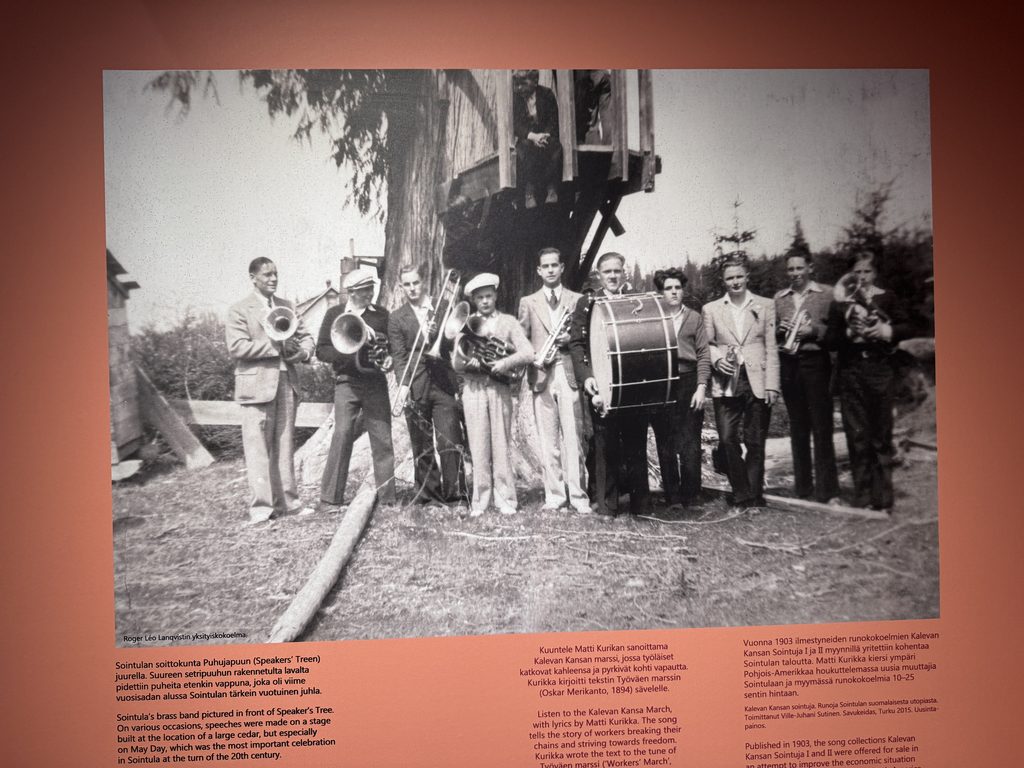
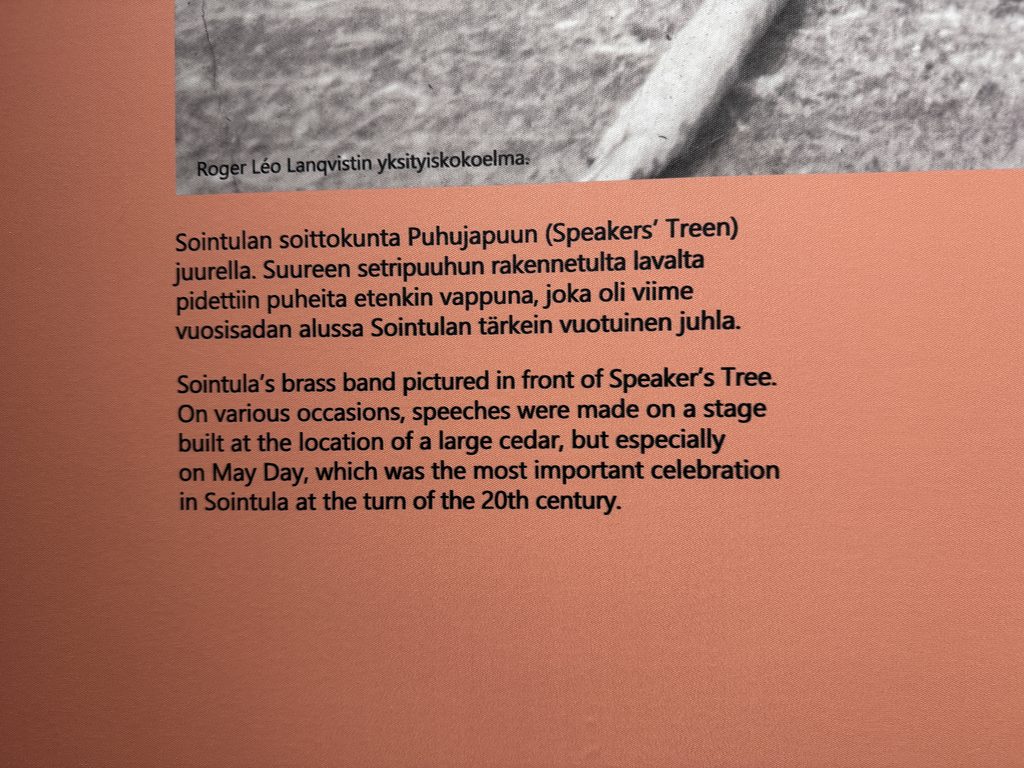
The demographic future of Sointula presents another challenge.
The village’s population is estimated at between 500 and 600 residents, although Gibler acknowledged the difficulty of determining an exact figure.
“When you don’t have a city hall or a government, no one counts,” she joked, referring to the absence of a municipal administration.
The proportion of residents descended from the original Finnish settlers is also uncertain.
Over generations, marriages, migration and changing family histories have made a simple definition of Finnish ancestry increasingly difficult.
Gibler offered a tentative personal estimate of approximately 25 to 30 per cent, while stressing that it was only a guess.
The more important question, she argued, concerns the continuation of a cultural tradition.
Asked how significant the connection to Finland remains, she replied:
“It’s our lifeblood, it’s why we are the way we are.”
But preserving that cultural inheritance requires continuous effort.
Many newcomers arrive without the experience of voluntary organisations and collective responsibility that long-standing families have inherited.
“As people move in, they were not raised in the volunteering, the co-operation, the kinds of things that are really natural in Sointula,” Gibler said.
“And it takes a while for them to learn that. They bring other things in.”
The museum is therefore concerned with more than preserving historical documents.
It is also trying to ensure that the values reflected in those documents can be understood by new generations.
Gibler described the museum as a custodian of the community’s collective knowledge.
“We have in there amazing documents. There is so much there. And how do we get that out?”
Traditional methods of communicating history are increasingly insufficient, she said, requiring museums and other institutions to experiment with new approaches.
“So we’re always open to doing new things, also encouraging people to volunteer, to get to know your neighbours, to become part of the community, because that’s our strength.”
Kaartinen agreed that new residents must be encouraged to become involved rather than expected to understand local practices immediately.
Some arrive because of the island’s natural beauty and peaceful environment. They may have little initial interest in the history of Finnish socialism or the village’s traditions of collective activity.
Building mutual understanding takes time.
Erola pointed to another emerging tension: rising property prices and the arrival of wealthier outsiders.
He suggested that the increasing attractiveness of Sointula to people seeking beautiful, secluded homes could change the social character of a place originally founded by people escaping inequality. A community created by impoverished workers hoping to escape an unjust economic order may increasingly attract people wealthy enough to purchase the tranquillity that its earlier inhabitants created.
A place where doors are still left unlocked
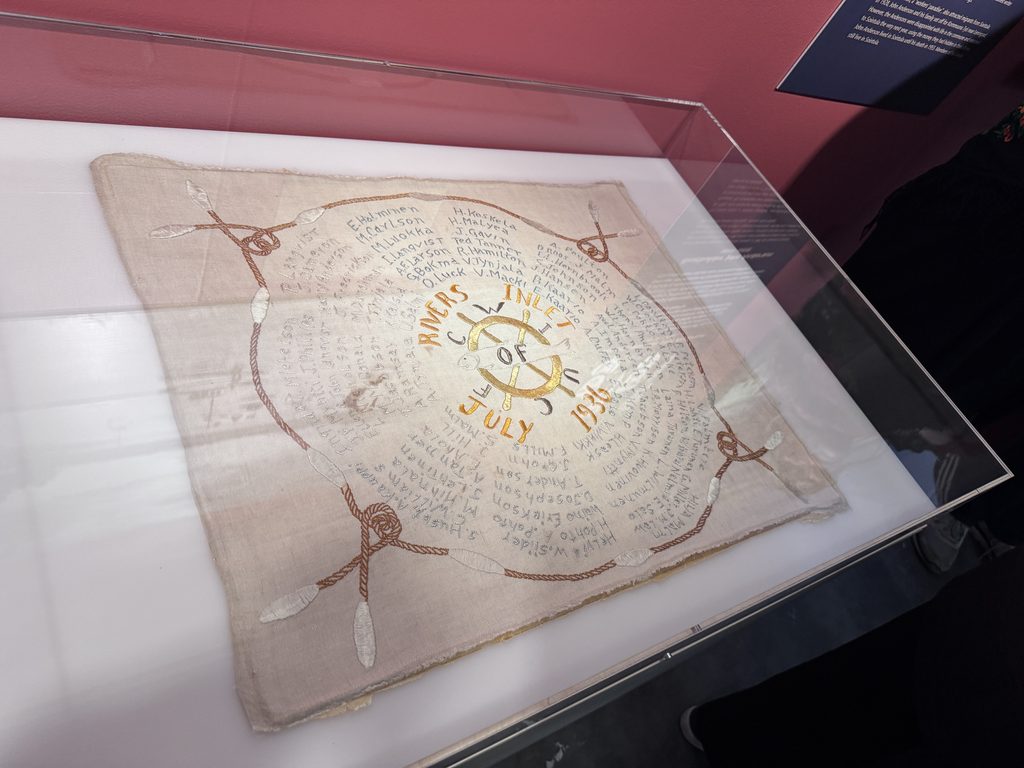
For Gibler, the most precious feature of modern Sointula is the extraordinary level of mutual trust.
“We’re considered by the world very safe, and it is,” she said.
“We haven’t learned to lock our doors yet. We never lock our cars.”
Such an environment has become unusual enough to attract attention from outsiders.
But Gibler believes the deeper significance lies in the confidence that help will be available when someone needs it.
“I know that no matter what happens, my neighbours will be there for me.”
The challenge is maintaining that confidence as the population changes.
And even the security created by a close-knit community can have complications.
Gibler recalled the COVID-19 pandemic as an example of both the benefits and the limitations of island life.
The geographical boundary made it possible for residents to organise themselves quickly and take collective precautions.
Yet she also recognised the dangers of allowing security to become excessive restriction.
“I realised at that point that this safety net can also become a prison,” she said.
The experience demonstrated that protecting a community’s distinctive way of life requires compromises between collective interests and individual freedom.
Gibler returned repeatedly to the question of what Sointula needs to preserve and what it must be willing to change.
“What are we doing right? And why are we still going at 125 years when many other social utopians are gone now?” Her conclusion was concise: “It has something to do with compromise.”
When a Canadian village welcomed its Finnish relatives home
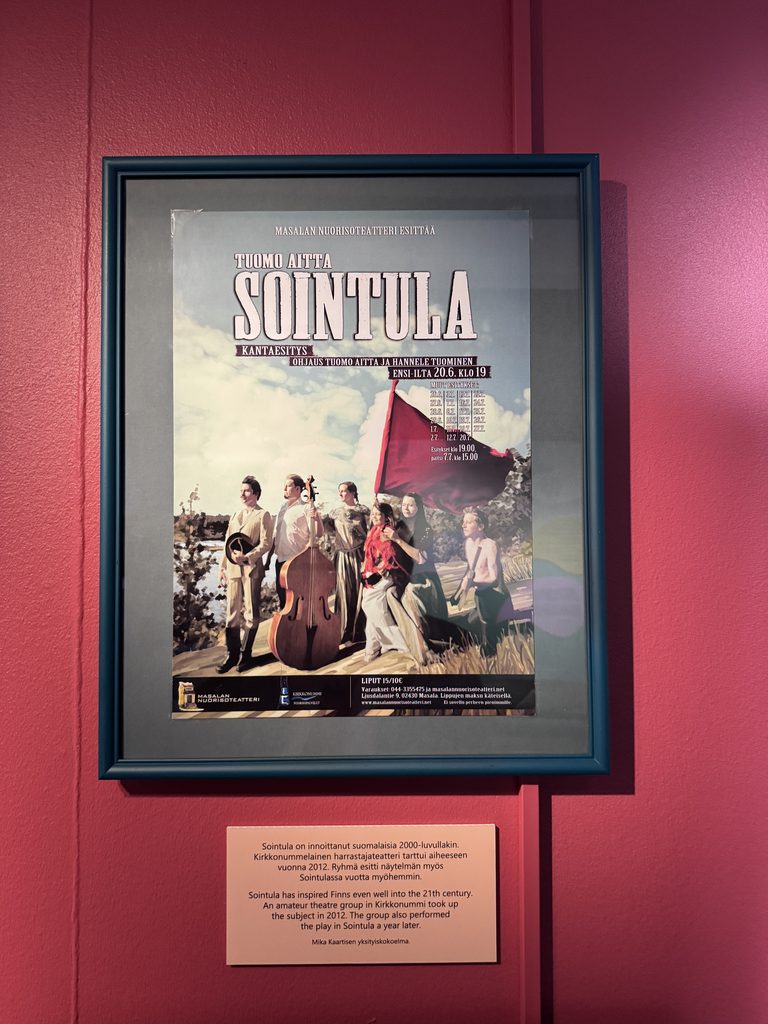
The continuing connection between Sointula and Finland has also produced remarkable cultural encounters.
Kaartinen became involved in Sointula’s history in 2012, when Finnish theatre director and playwright Tuomo Aitta began developing a production about Matti Kurikka.
The project eventually led to contact with the Sointula Museum.
One day, Sue Ness Tanner, a local resident, suggested that it would be wonderful if the Finnish theatre group could perform the production at the Finnish Organization Hall in Sointula.
Kaartinen was uncertain whether the suggestion constituted a formal invitation.
“I’ve wondered afterwards whether it was really meant as an invitation,” he recalled, warmly smiling. “But we took it as one.”
The group secured funding and travelled to Canada in 2013.
Performing a play about the founding of Sointula to an audience that included descendants of the people depicted was a daunting prospect.
“We were telling stories about their grandparents,” Kaartinen explained.
“It was quite an extraordinary situation for us, and probably for the villagers as well. They must have wondered why on earth a theatre group from Finland was coming to tell their history.”
The reception proved overwhelmingly positive.
The visit created friendships that have continued for more than a decade.
Kaartinen said he remains in regular contact with Sointula residents and receives stories and photographs from the island, including numerous pictures of whales swimming in the surrounding waters.
Erola recalled a similarly memorable reception when he travelled to Sointula with the Finnish political history parody band Punatähdet (the Red Stars).
The journey itself was an adventure, involving a flight to Vancouver, a ferry crossing to Vancouver Island, a lengthy drive north and a final ferry journey to Malcolm Island.
By the time the visitors arrived, they were physically exhausted.
What followed made a lasting impression.
“We were welcomed like long-lost cousins, with people embracing us,” Erola recalled.
“There was an almost unbelievable warmth. The sense of community was so strong, and the relationship with people from Finland was such an important part of their identity.”
Even people with little direct Finnish ancestry seemed deeply attached to the village’s Finnish origins.
For Erola, the experience reinforced his fascination with Sointula, although he readily acknowledged that visitors encounter only part of its reality.
“Of course, we understand that every family has skeletons in its cupboard,” he observed. “We simply didn’t see them.”
He also admitted that some of the fascination of Sointula lies in its romantic appeal to outsiders.
“I still have very romantic ideas about Sointula, and I want to keep them,” he said. “It may even be more wonderful to imagine living there than actually to live there.”
Three utopias, three very different destinies
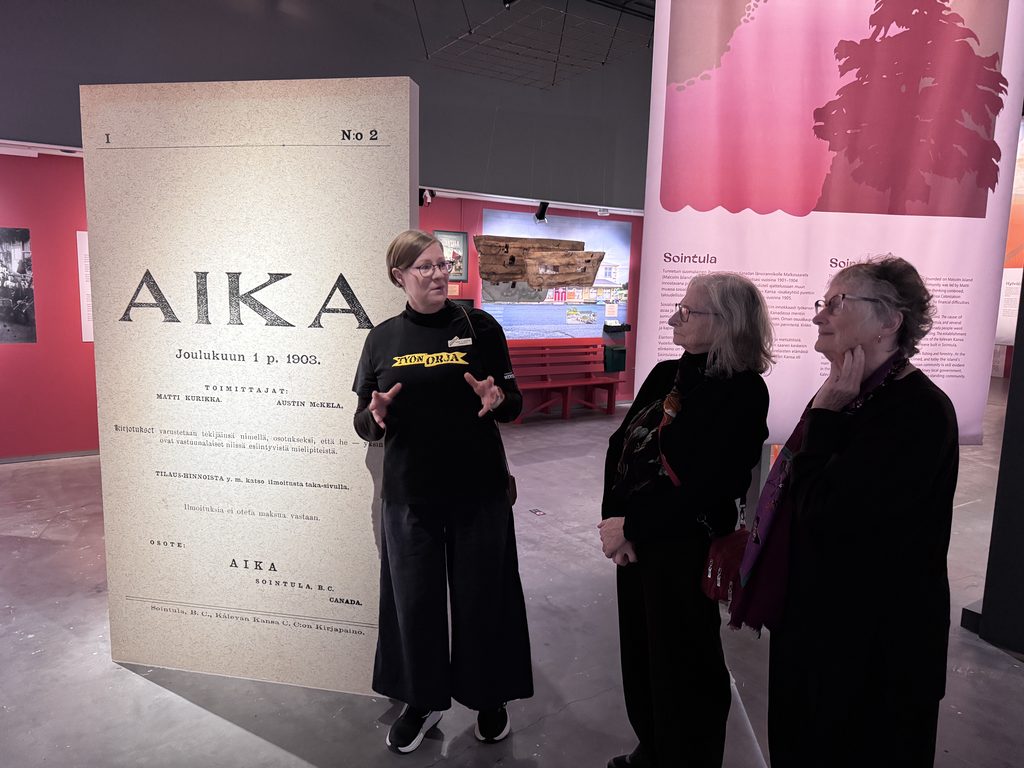
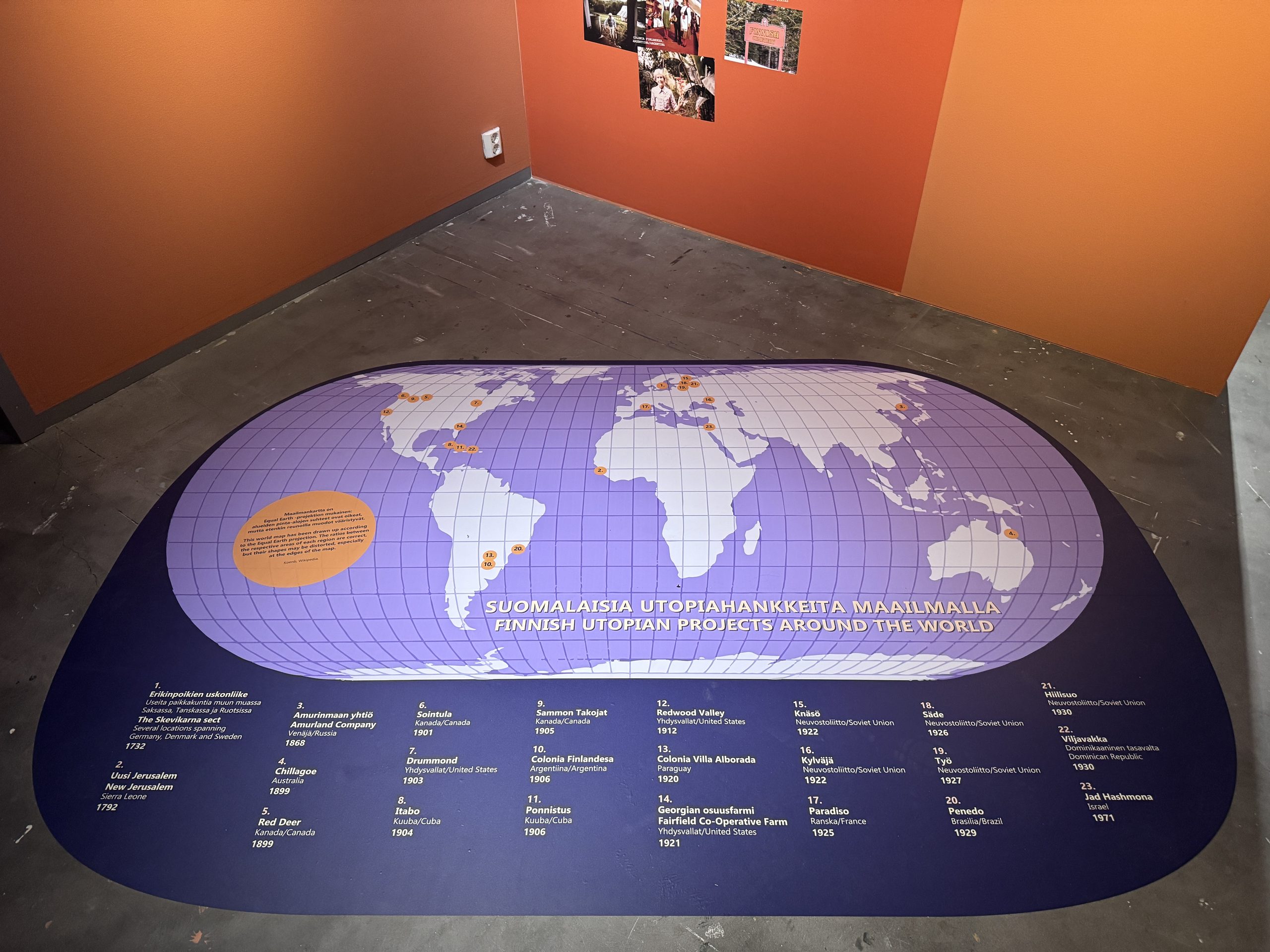
Sointula’s history forms the centrepiece of the new Age of Utopias exhibition at the Finnish Labour Museum Werstas.
The exhibition, which opened on 24 October 2026 and runs until 7 March 2027, explores three Finnish attempts to establish ideal communities in distant parts of the world.
The earliest was the Amur Company, formed by Finns who travelled to the Russian Far East in the late 1860s.
Their voyage alone took almost a year.
The settlers hoped to establish a community based on shared labour, agriculture and whaling.
Harsh conditions and internal disagreements eventually undermined the experiment, and most of the participants returned to Finland.
The second project was Sointula, whose original commune collapsed but whose settlement survived.
The third was the Kylväjä Commune, founded in Soviet Russia in 1922 by Finnish immigrants who had previously settled in the United States.
Kylväjä represented a different kind of utopian idealism, strongly influenced by technological progress and mechanised agriculture.
Its founders brought machinery from America, including modern tractors, hoping to establish a productive socialist farming community.
The experiment became entangled in the Soviet system of collectivisation.
Some Finnish settlers subsequently moved to Soviet Karelia, where many were caught up in Stalin’s purges.
Yli-Hinkkala emphasised that concepts such as socialism and communism had substantially different meanings across the periods represented by the exhibition.
For the nineteenth-century settlers who travelled to the Amur region, communal principles centred on collective ownership, shared work and the distribution of the fruits of labour.
By the 1920s, the Soviet experiment operated within a state system increasingly determined by political centralisation.
“In Kylväjä, the commune originally owned things collectively,” she explained.
“When it was abolished and became a collective farm, ownership shifted to the state.”
The three projects demonstrate both the extraordinary courage of the settlers and the vulnerability of societies created around ambitious ideological visions. They also raise a more uncomfortable historical question.
Whose land was the utopia built upon?
For the Finnish emigrants, the journey across the world represented an opportunity to escape the established social order.
For Indigenous peoples in the territories where European settlement expanded, the consequences were very different.
The new exhibition explicitly acknowledges that utopian settlement projects were connected to the colonial policies of the countries that granted land to settlers.
Sointula’s founders received their opportunity through a Canadian provincial settlement policy that encouraged European immigration into Indigenous territories.
The wider region has a history extending back thousands of years through the Indigenous peoples of the Pacific coast, including Kwakwaka’wakw communities.
Jarkko Lehtopelto argued that utopian projects must also be considered from the perspective of those already living in the places where newcomers hope to establish a better society.
“These kinds of movements, including the founding of Sointula, also involve risks and problems for other people,” he said.
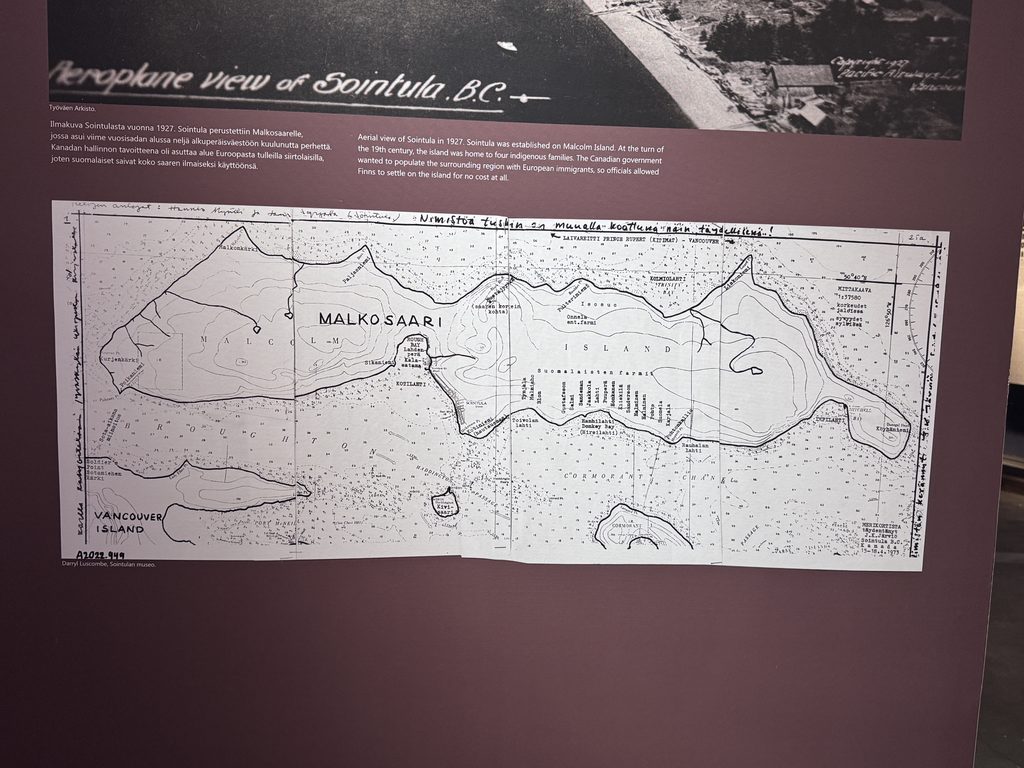
“There were Indigenous people there, and this was connected to Canadian settlement policy.”
The observation challenges the tendency to celebrate utopian experiments solely from the perspective of their founders.
An ideal society for one group can come at a cost to others.
The same dilemma can be applied to contemporary technological and ecological visions.
Lehtopelto suggested that ambitious projects should be examined in terms of their wider consequences, including the interests of people excluded from their decision-making. The exhibition therefore presents utopian thinking as both a potential source of social progress and a subject requiring critical historical examination.
Do we need new utopias in the age of artificial intelligence?
The discussion in Tampere eventually turned from the history of Finnish migration to the present.
Why do people continue to dream of leaving established societies and starting again elsewhere?
Roos raised examples ranging from people seeking complete self-sufficiency to those converting vans into mobile homes or imagining lives detached from conventional social structures.
Lehtopelto suggested that such movements may reflect a growing sense of powerlessness.
“People feel that they are losing control,” he said.
“They feel they cannot fully control their own lives or the things that influence them.”
The desire to relocate, withdraw or construct a new social environment may therefore represent an attempt to regain a sense of agency.
But he also warned that powerful ideologies and charismatic individuals can exploit precisely these feelings.
Modern communications technologies expose people to constant streams of information and persuasion, leaving less time for independent reflection.
He questioned whether people have enough opportunities to consider their own values before joining movements promising radical change.
For Erola, major technological and economic upheavals have historically encouraged migration and the search for alternative societies.
He suggested that artificial intelligence could create similar pressures.
“We are now facing something like an industrial revolution driven by artificial intelligence,” he said.
“It is quite possible that we white-collar workers will soon be the ones saying: perhaps we should go to Sointula, or somewhere else.”
The comparison extended to contemporary technology entrepreneurs and their ambitions to establish settlements beyond Earth.
The participants joked about plans to colonise Mars, while recognising the extraordinary distance between such dreams and the practical realities of building a functioning community.
For Lehtopelto, the defining question was whether an imagined alternative can genuinely improve people’s lives and whether the people affected have a meaningful say in its development.
He also reflected on the possibility that some utopias possess value precisely because they remain unrealised.
Despite his long association with the Finnish enthusiasts who have maintained connections with Sointula, he had never visited the community himself.
He wondered whether the village’s continuing place in his imagination might be more important than eventually seeing it in person.
“Perhaps it is better that we have utopias and dreams that remain more in our own visions and imagination than becoming reality,” he suggested.
“They can still be extremely valuable.”
Was Sointula an early start-up?
One of the more unusual comparisons in the discussion came from Erola, who suggested that the story of Sointula bears striking similarities to that of modern start-up companies.
The early settlers assembled a group of people around an ambitious idea, attracted supporters, raised resources and attempted to build something unprecedented.
They underestimated practical difficulties, encountered financial problems and struggled with leadership.
Their initial enterprise failed.
Yet the experience produced ideas and institutions that survived the collapse.
Erola recalled that two Finnish visitors, whose trip to Sointula had been funded by Mårten Mickos and Senja Larsen, both with close ties to California’s start-up scene, had immediately recognised the parallels. Larsen went on to write an extensive article for the Finnish business daily Kauppalehti, portraying Sointula as an early start-up colony and exploring the striking similarities between its utopian community and modern start-up ventures. There were plenty of parallels to draw.
“Sointula was, in a way, a very similar story to a start-up company,” Erola said, quoting Larsen’s article findings.
“It involved trying things, making mistakes and sometimes making exactly the same kinds of mistakes.”
He acknowledged that the comparison between a socialist commune and a capitalist technology company might sound ideologically uncomfortable.
Nevertheless, the willingness to experiment and the capacity to learn from failure are common to both.
“What I find wonderful in both is the courage to attempt something better, to pursue something new and then to learn quickly from mistakes.”
Lehtopelto agreed that even unsuccessful experiments can make valuable contributions.
Failed communities and businesses can challenge prevailing assumptions, introduce new ideas and expose weaknesses in existing systems.
“They can create progress and genuine solutions in their own way, or demonstrate mistakes that others should avoid,” he said.
“They are valuable even when they fail.”
The discussion also raised the problem of charismatic leadership.
Sointula’s early years illustrate the risks associated with creating a society around a dominant visionary whose ideological ambitions exceed the community’s practical resources.
Erola suggested, with some humour, that the original settlement would have benefited from a competent financial manager.
But the problem extended beyond inadequate accounting.
Lehtopelto observed that building a community from scratch requires the rapid creation of rules, institutions, decision-making processes and safeguards against excessive concentrations of power.
In established societies, these arrangements have usually evolved over generations.
In an experimental settlement, they must be created almost overnight. The potential for internal disputes and institutional failure is considerable.
The secret of survival: compromise, community and love
Towards the end of the programme, Roos returned to the central question.
What had Sointula done right?
Why had this particular community survived for 125 years when so many other utopian settlements disappeared?
The historical record offers several explanations.
The settlers eventually abandoned impractical economic ambitions and adapted to the local environment.
They developed commercial fishing, established co-operative institutions and preserved a tradition of collective responsibility.
Women took on leading roles in organising village life. Residents continued to look after one another, even as the original socialist programme faded into history.
Their descendants, and later arrivals who embraced the community’s values, created a social culture capable of surviving changes in economic circumstances and population.
Gibler had already identified compromise as one of the essential ingredients.
Erola offered a more emotional explanation.
“I would bring it down to one word: love,” he said.
“She spoke about the collective and about caring for one another. At the heart of it, there is love.”
Lehtopelto agreed.
Whatever difficulties, disagreements and economic crises Sointula’s inhabitants had experienced, enough people had found their community sufficiently meaningful to remain committed to it.
“There have been problems and conflicts, but enough people have still wanted to commit themselves to the community because there have been so many meaningful and valuable things there,” he said.
“That is love.”
The original Sointula commune lasted only a few years. Its descendants have spent more than a century discovering how those principles can work in everyday life.
The village’s continued existence may be its founders’ most significant achievement.
And the future of Sointula, as Kathy Gibler reminded the Finnish audience, will ultimately depend on the ability of each new generation to decide which traditions deserve to be preserved, which must be adapted and how the spirit of community can continue to bind its inhabitants together.
After 125 years, the experiment is still evolving.
The article is based primarily on Yle Radio 1’s Kulttuuriykkönen programme broadcast on 27 October 2026, presented by Jonni Roos and recorded at the Finnish Labour Museum Werstas in Tampere. Quotations originally delivered in Finnish have been translated into British English. Kathy Gibler’s English-language remarks have been retained in their original language, with minor editing of transcription errors and spoken repetitions. Additional historical details have been checked against the museum’s exhibition documentation and published historical research.
Sources:
- Yle Areena: Miten ihmeessä suomalaisten utopia Sointula Kanadassa on selviytynyt 125 vuotta karismaattisista johtajista ja talousongelmista? (podcast, mainly in Finnish)
- Yle Areena: Kanadan suomalaiset: utopia (documentary, in Finnish)
- Työväenmuseo Werstas: Tiedote: Utopian aika juhlii 125-vuotiasta Sointulaa (in Finnish)
- Työväenmuseo Werstas: Utopian aika (in Finnish)
- BC Studies: Utopians and Utilitarians: Environment and Economy in the Finnish-Canadian Settlement of Sointula, Mikko Saikku, 2007
- University of Victoria: Sointula, The Colonial Despatches of Vancouver Island and British Columbia 1846–1871
- Canada’s History: Place of Harmony
- The La Source: Celebrating BC Heritage Week—Stirring the pot in more ways than one at the Sointula Museum
Leave a Reply